

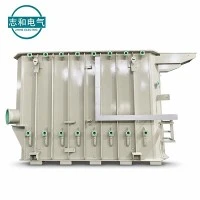
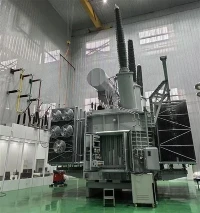



Dry Type Transformer
Air cooling: Natural-air cooling with optional fan-assisted cooling, subject to the selected design.
Temperature protection: Winding temperature monitoring with configurable fan control, alarm and trip outputs.
Project-specific configuration: Capacity, voltage, vector group and enclosure requirements confirmed during technical selection.
Cooling and Temperature Monitoring
Natural-air cooling allows heat to dissipate through the transformer's ventilation passages. For designs equipped with cooling fans, forced airflow provides additional cooling according to the declared AN/AF ratings.
PT100 sensors and a digital temperature controller can monitor individual winding temperatures. Depending on the controller configuration, available functions may include automatic fan operation, high-temperature alarms, trip outputs and RS485 communication. These functions help operators monitor thermal conditions and respond to abnormal temperature rises.
Certificate


Configuration and Enclosure Options
The three-phase dry type transformer configuration is selected around the project's electrical requirements. Key specification items include rated capacity, primary and secondary voltages, frequency, vector group, tapping arrangement, impedance and guaranteed losses.
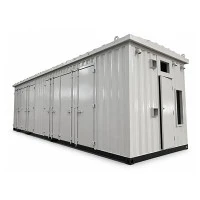
A protective dry type transformer enclosure can be incorporated into the installation design. Its protection rating, dimensions, ventilation openings and cable-entry arrangement must be coordinated with the transformer and site layout. Ambient temperature, altitude and room ventilation are also considered during selection.
Typical Applications
Dry type distribution transformers are used in factories, office buildings, shopping centers, hospitals and data centers. They can also serve suitable duties in renewable energy and infrastructure projects.
The transformer rating and enclosure arrangement should match the actual load, operating environment and available installation space.
Quality and Inspection
The agreed inspection plan can include winding resistance, voltage ratio and vector-group verification, loss measurements, impedance measurement and dielectric testing. Approved drawings, technical datasheets and test reports provide a clear basis for equipment acceptance.
Routine inspection and cleaning remain necessary to maintain ventilation and verify the condition of connections, fans and temperature-protection equipment.
Request a Quote
Send your required capacity, voltage ratio, installation conditions and enclosure requirements to discuss a suitable dry type transformer configuration.
Hot Tags: dry type transformer, China dry type transformer manufacturers, suppliers, factory
Previous
No InformationNext
No InformationYou Might Also Like



Send Inquiry