

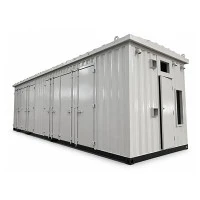


Power Transformer
Voltage range: 0.4 kV to 230 kV.
Electrical configuration: Rated capacity, voltage ratio, frequency and vector group matched to the project specification.
Cooling arrangement: ONAN, ONAF or another specified method, selected around loading and site conditions.
Voltage regulation: Tap changer type, range and control requirements defined for the network.
Outdoor installation: Tank finish, bushings and accessory protection selected for the operating environment.
Inspection and documentation: An agreed test scope and technical documents to support project acceptance.
Oil-Immersed Power Transformer
Rated Capacity: 10–300,000 kVA | Rated Voltage: 0.4–230 kV
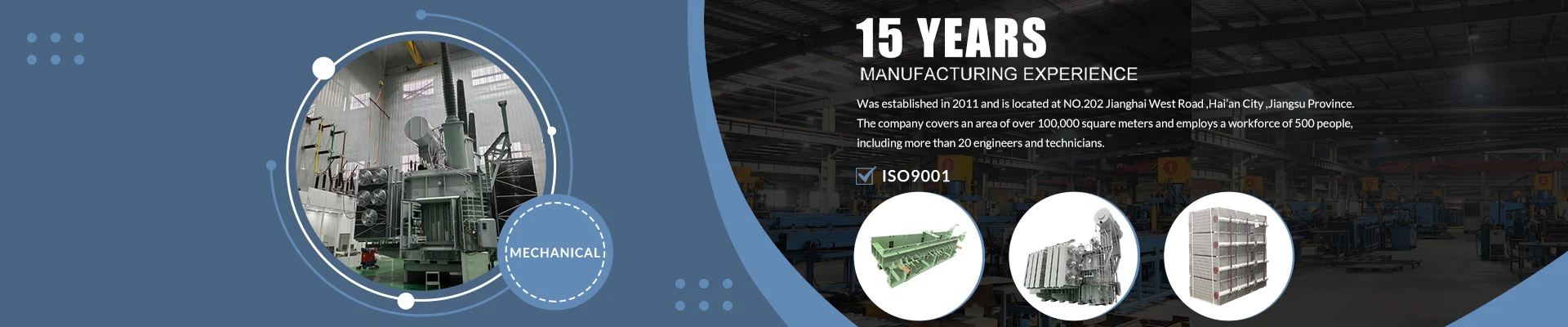
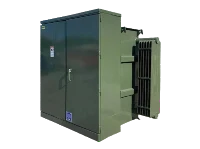
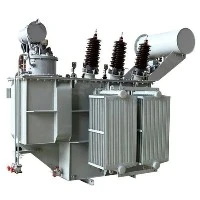
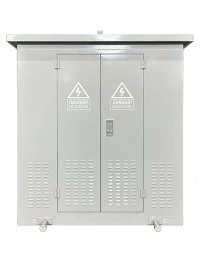
This oil-immersed power transformer is available with rated capacities from 10 kVA to 300,000 kVA and rated voltages from 0.4 kV to 230 kV. Configurations for step-up or step-down service are defined around the application, connecting different voltage levels in substations, industrial power systems and power generation projects.
The oil-insulated core and winding assembly, steel tank and cooling system work together to provide voltage conversion and manage heat during operation. Electrical connections, tap-changing arrangements and accessories are specified for the selected model and installation.

Product at a Glance
Rated capacity: 10–300,000 kVA, equivalent to a maximum of 300 MVA.
Rated voltage: 0.4–230 kV.
Operating duty: Step-up or step-down, according to the project design.
Cooling configuration: ONAN, ONAF or other arrangements, subject to technical review.
Voltage adjustment: Tap changer type and tapping range selected for the operating requirements.
Project configuration: Winding connections, bushings, accessories and installation interfaces defined in the technical agreement.
The stated ranges cover available product configurations. Each supplied unit has its own specified capacity, winding voltages and cooling ratings.
Quality Standards Of Product

Core and Winding Assembly
At the centre of the power transformer is a magnetic core and an insulated winding assembly. The core provides the magnetic path, while the winding arrangement establishes the voltage ratio and electrical connections.
Core material, conductor dimensions, insulation clearances and winding support are coordinated with the specified losses, impedance and thermal requirements. This connects the internal design to measurable performance values in the technical schedule, including no-load loss and load loss.
Oil Insulation and Heat Dissipation
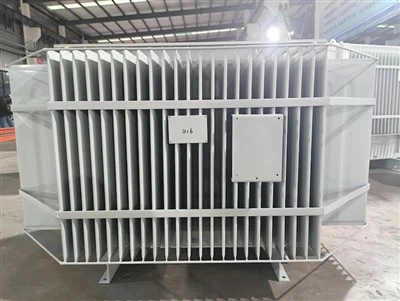
Insulating oil provides electrical insulation and carries heat away from the active part. Cooling surfaces release that heat to the surrounding air; the arrangement may use natural air movement or additional cooling fans.
With ONAN cooling, both oil circulation and air cooling are natural. ONAF retains natural oil circulation and introduces forced air cooling. The cooling arrangement is selected together with the required output, ambient temperature and installation altitude.
Where multiple cooling stages are specified, the corresponding capacity ratings are identified separately. Radiator layout and service clearances are incorporated into the overall arrangement.
Steel Tank and Sealing Structure
The steel tank contains the insulating oil and houses the active part. Its design brings together structural reinforcement, welded joints, cover connections and sealed interfaces for bushings, valves and other fittings.
Sealing performance depends on the complete assembly. Weld quality, flange condition, gasket compatibility and assembly control all contribute to oil containment. The specified vacuum and pressure duties also form part of the tank design.
For outdoor service, surface preparation and the coating system are selected for the site environment. Humidity, salt exposure and industrial pollution influence the required corrosion protection.

Voltage Adjustment and Protective Accessories
Tap-changing arrangements adapt the voltage ratio to the specified operating requirements. An on-load tap changer permits adjustment while the transformer is energised and supplying load. A de-energised tap changer requires the transformer to be de-energised before adjustment.
Depending on the model and agreed scope, accessories may include temperature indicators, oil-level indication, pressure-relief devices and a marshalling cabinet. Conservator-type designs may also incorporate a Buchholz relay and a breather.
The final accessory package and terminal arrangement are coordinated with the installation and monitoring requirements.
Technical Specifications
| Item | Range or Configuration |
|---|---|
| Product | Oil-immersed power transformer |
| Rated capacity | 10–300,000 kVA |
| Rated voltage | 0.4–230 kV |
| Voltage conversion | Step-up or step-down, according to design |
| Phase, frequency and vector group | Defined by model and technical agreement |
| Cooling method | ONAN, ONAF or another agreed arrangement |
| Tap changer | Type, range and positions specified for the project |
| Losses and impedance | Values defined in the approved technical schedule |
| Insulation levels | Matched to the winding voltages and system requirements |
| Tank finish | Coating system and colour specified for the installation |
| Accessories | Configured according to the approved scope |
| Dimensions and weight | Confirmed for the selected design |
Applications
A substation transformer provides the voltage conversion required between connected networks. Industrial installations use transformers to match incoming supply to plant distribution requirements. For generation projects, a step-up power transformer raises voltage to the required connection level.
Typical applications include utility substations, industrial plants, power stations and renewable energy substations. Each application has its own loading, connection and environmental requirements, which are reflected in the final configuration.
Manufacturing and Factory Inspection
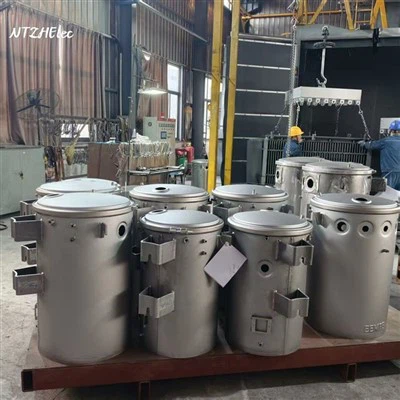
A typical production sequence includes core assembly, winding manufacture, insulation preparation, active-part assembly and drying, tank assembly, oil filling and final testing. Inspection stages are defined in the agreed production and quality plan.
Depending on the design and applicable requirements, factory testing may include:
Winding resistance, voltage ratio and connection checks.
No-load loss, load loss and impedance measurements.
Applicable dielectric tests.
Tank tightness and accessory function checks.
Temperature-rise and other type or special tests when required.
The test scope, acceptance criteria and any customer witness points are agreed before manufacture. Documentation requirements are included in the supply scope.
Packaging and Delivery
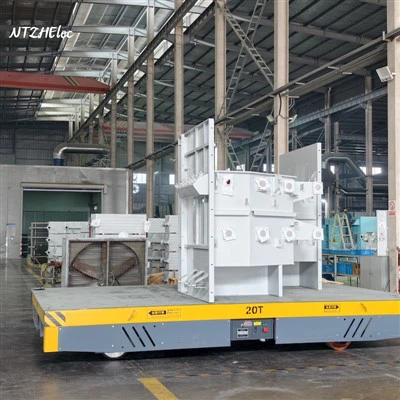
The transport arrangement depends on the transformer's dimensions, weight and destination. Large units may require bushings, radiators or other removable accessories to be shipped separately.
Packing, lifting points and transport dimensions are coordinated with the shipping plan. The delivery time for main transformers is only 60 days,the specific time confirmed against the approved design, component availability, production schedule and testing requirements.
Frequently Asked Questions
What capacity and voltage ranges are available?
The rated capacity range is 10–300,000 kVA, and the rated voltage range is 0.4–230 kV. The specific combination is confirmed for the selected design.
Can this transformer be configured for step-up service?
Step-up duty can be specified during technical review. Provide the required input voltage, output voltage, capacity and application so the appropriate configuration can be assessed.
What is the difference between ONAN and ONAF?
ONAN uses natural oil circulation and natural air cooling. ONAF uses natural oil circulation with fan-assisted air cooling. The capacity associated with each cooling stage is stated in the technical specification.
Which test reports are included?
The required reports are defined in the contract and inspection plan. Routine tests and any applicable type or special tests are identified for the agreed design.
What information is needed for a quotation?
Send the required capacity, input and output voltages, frequency, application and quantity. A technical specification, single-line diagram and site conditions help define the proposal. Include the destination and target delivery date.
Request a Power Transformer Quotation
Share your project requirements with ZHIHE to discuss the required configuration and supply scope. From capacity and voltage selection to accessories and delivery arrangements, the proposal can be developed around your technical specification.
Hot Tags: power transformer, China power transformer manufacturers, suppliers, factory
Previous
No InformationNext
No InformationYou Might Also Like


Send Inquiry