What are the international standards for a Conventional Transformer Radiator?
As a supplier of Conventional Transformer Radiators, I've had the privilege of being deeply involved in the industry, witnessing firsthand the importance of adhering to international standards. These standards not only ensure the quality and safety of our products but also facilitate global trade and compatibility.
1. IEC Standards
The International Electrotechnical Commission (IEC) plays a crucial role in setting standards for electrical equipment, including transformer radiators. IEC 60076 series of standards is particularly relevant. For example, IEC 60076 - 2 focuses on temperature rise of power transformers. This standard is essential for radiator design because the primary function of a radiator is to dissipate heat generated by the transformer. A well - designed radiator must be able to maintain the transformer's temperature within acceptable limits.


In terms of construction, IEC 60076 - 14 provides guidelines for the cooling of power transformers, which includes the design and performance requirements of radiators. It specifies factors such as the flow rate of the cooling medium (usually oil), the heat transfer coefficient, and the pressure drop across the radiator. These parameters are critical for ensuring that the radiator can effectively transfer heat from the transformer to the surrounding environment.
2. ANSI Standards
The American National Standards Institute (ANSI) also has a set of standards that govern transformer radiators in the United States and are influential globally. ANSI C57.12.00, for instance, covers general requirements for liquid - immersed distribution, power, and regulating transformers. Although it is a broader standard for transformers, it has implications for radiator design.
ANSI standards often focus on aspects such as the mechanical strength of the radiator. The radiator must be able to withstand internal and external pressures, as well as environmental factors like wind and seismic activity. This is important for ensuring the long - term reliability of the transformer system. Additionally, ANSI standards may address issues related to corrosion resistance, as transformers and their radiators are often exposed to harsh environments.
3. ISO Standards
The International Organization for Standardization (ISO) contributes to the international standards for transformer radiators through standards related to materials and manufacturing processes. ISO 9001, for example, is a quality management system standard. As a Conventional Transformer Radiator supplier, implementing ISO 9001 ensures that our production processes are well - defined, controlled, and continuously improved.
ISO 14001, on the other hand, is an environmental management system standard. In the context of transformer radiators, this standard encourages suppliers to minimize the environmental impact of their products. This can include using environmentally friendly materials, reducing energy consumption during manufacturing, and ensuring proper disposal of waste materials.
4. Design and Performance Requirements
International standards also have specific design and performance requirements for Conventional Transformer Radiators.
Heat Dissipation Capacity
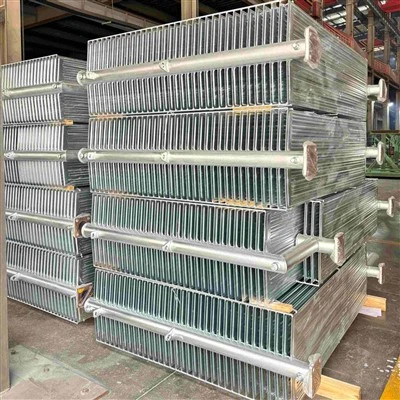
The heat dissipation capacity of a radiator is a key parameter. It is measured in kilowatts (kW) and must be sufficient to handle the heat generated by the transformer under normal operating conditions. The design of the radiator, including the number of fins, the size of the tubes, and the type of cooling medium, all affect its heat dissipation capacity. For example, a radiator with a larger surface area (more fins) will generally have a higher heat dissipation capacity.
Pressure Resistance
The radiator must be able to withstand the internal pressure of the cooling medium. This is especially important for oil - filled transformers, where the oil can expand and contract with temperature changes. International standards specify the maximum allowable pressure that the radiator can withstand without failure.
Corrosion Resistance
Since transformers and radiators are often installed outdoors or in industrial environments, corrosion resistance is crucial. Standards may require the use of corrosion - resistant materials, such as stainless steel or coated steel, and specify testing methods to ensure the effectiveness of the corrosion protection.
5. Our Commitment as a Supplier
As a Conventional Transformer Radiator supplier, we are committed to meeting and exceeding these international standards. We use high - quality materials in our manufacturing process, ensuring that our radiators are durable and reliable. Our design team constantly studies the latest standards and technological advancements to improve the performance of our products.
We offer a wide range of Conventional Transformer Radiators, including the Gooseneck Transformer Radiator. This type of radiator has unique design features that make it suitable for specific applications. It provides efficient heat dissipation and is easy to install and maintain.
Our Conventional Transformer Radiator is designed to meet the diverse needs of our customers. Whether it is for small - scale distribution transformers or large - scale power transformers, we can provide a radiator solution that meets the required international standards.
6. Contact Us for Procurement
If you are in the market for Conventional Transformer Radiators, we invite you to contact us for procurement. Our team of experts is ready to assist you in selecting the right radiator for your specific requirements. We can provide detailed product information, technical support, and competitive pricing. By choosing our products, you can be confident that you are getting a high - quality radiator that meets international standards.
References
- IEC 60076 - 2: Temperature rise of power transformers.
- IEC 60076 - 14: Cooling of power transformers.
- ANSI C57.12.00: General requirements for liquid - immersed distribution, power, and regulating transformers.
- ISO 9001: Quality management systems.
- ISO 14001: Environmental management systems.