Yo, what's up! I'm a supplier of transformers radiators, and today I wanna chat about the lifespan of transformers radiators. It's a question that comes up a lot, and it's super important, whether you're an engineer, a power grid operator, or just someone curious about the tech side of the power industry.
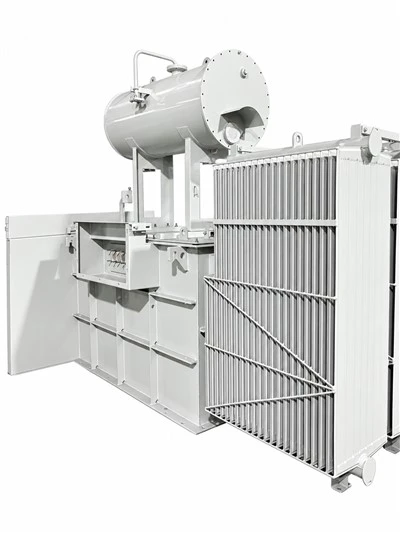
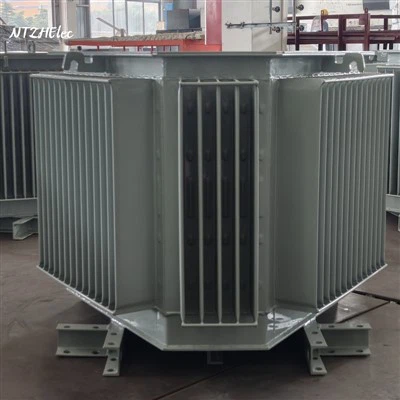
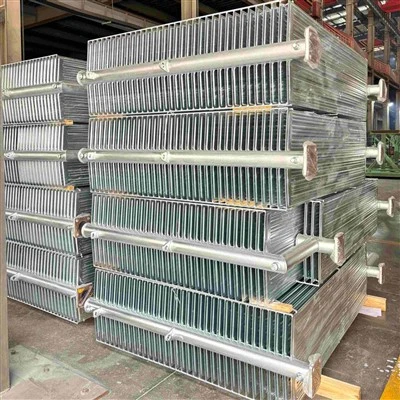
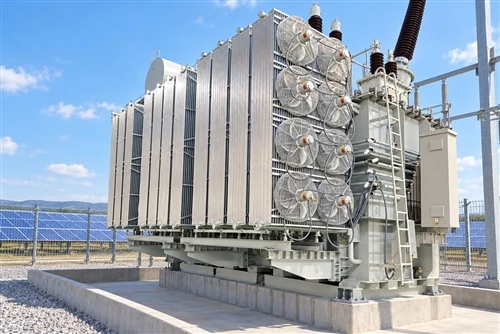
Let's start with the basics. Transformer radiators are key for keeping transformers cool. You know, transformers work hard, converting electrical voltage and current, and all that work generates heat. If that heat isn't released properly, it can seriously damage the transformer, shorten its life, and even cause it to fail. That's where radiators come in. They act like the lungs of the transformer, expelling the heat and maintaining a stable operating temperature.
So, how long can these radiators actually last? Well, there's no one - size - fits - all answer. A lot of factors come into play.
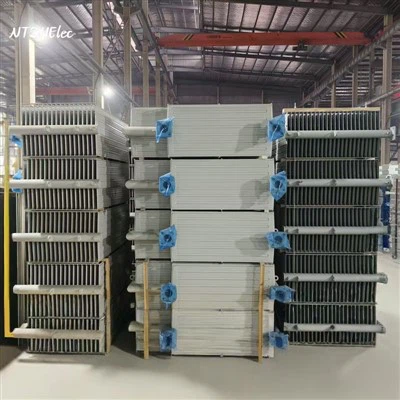
First on the list is the quality of materials. The materials used in making the radiators are like the foundation of a house. If you use high - grade steel or aluminum, they're more resistant to corrosion and wear. For example, steel with a good anti - rust coating can hold up well over time, even in harsh environments. On the other hand, if cheap, low - quality materials are used, the radiators may start to deteriorate within just a few years.
The environment also has a huge influence. Radiators in a clean, dry indoor environment are likely to last longer than those in an outdoor setting exposed to the elements. In coastal areas, the salt in the air can speed up corrosion. In industrial regions, pollutants can accumulate on the radiator surfaces, reducing their efficiency and potentially causing damage. And don't forget about extreme weather conditions. Frequent exposure to high temperatures, heavy rain, snow, or high winds can all take a toll on the radiators.
Maintenance is another crucial factor. Regular maintenance can significantly extend the lifespan of transformers radiators. This includes things like cleaning the radiator fins to remove dirt and debris that could block the airflow. Over time, dust and grime can build up, making it harder for the radiator to transfer heat effectively. Also, checking for leaks and damage to the tubes and joints is essential. If there's a small leak, it might seem minor at first, but over time, it can lead to a loss of coolant and a reduction in cooling efficiency.
The operating conditions of the transformer itself matter too. If a transformer is running at or near its maximum capacity all the time, the radiators have to work extra hard to dissipate the heat. This constant high - stress operation can wear out the radiators faster. On the contrary, if the transformer is operated within a more reasonable capacity range, the radiators don't have to work as hard, and their lifespan can be prolonged.
On average, high - quality transformers radiators that are well - maintained in a relatively stable environment can last anywhere from 15 to 30 years. But as I said, there are so many variables that it could be less or more.
Let me give you an example to illustrate these points. I had a client who installed our radiators in a power substation near a coastal town. At first, everything seemed fine. But after about 5 years, they noticed some signs of corrosion on the radiator surfaces. The salt in the air was slowly eating away at the metal. We recommended a more intensive maintenance schedule, including regular cleaning and applying an additional anti - corrosion coating. By following these steps, they were able to keep the radiators working effectively for another 10 years.
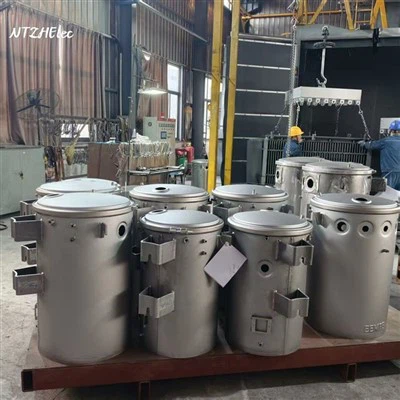
Now, if you're in the market for a new radiator or looking to replace an old one, you might be interested in checking out the Single Phase Pole Mounted Transformer Oil Tank. It's a great option for many applications, and it can work in tandem with our high - quality radiators to ensure optimal performance of your transformer.
When choosing a radiator, you need to think about all the factors we've discussed. Consider the environment where it will be installed, the operating conditions of the transformer, and your maintenance capabilities. And don't forget about the quality. A good radiator may cost a bit more upfront, but it can save you a lot of headaches and money in the long run.
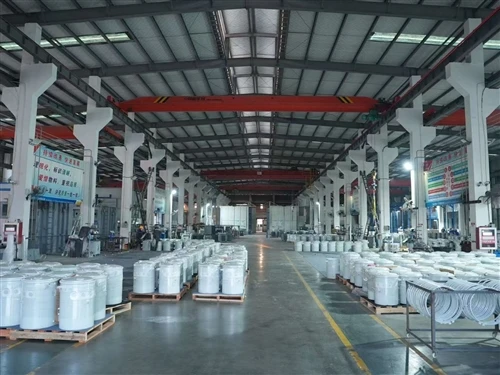
As a supplier, I've committed to providing the best - quality transformers radiators. We use only the highest - grade materials and state - of - the - art manufacturing processes. Our team of experts is always available to offer advice on installation, maintenance, and troubleshooting.

If you're interested in learning more about our products or have any questions about the lifespan of transformers radiators, don't hesitate to reach out. We're here to help you make the right choices for your power systems. Whether you're building a new power installation or upgrading an existing one, we can provide the solutions you need.
Let's work together to ensure your transformers operate at their best for years to come. Contact us, and let's start the conversation about how our transformers radiators can meet your needs.
References
- Electrical Equipment Maintenance Handbook
- Transformer Engineering Guide