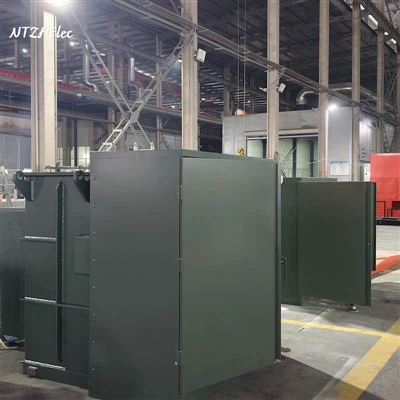
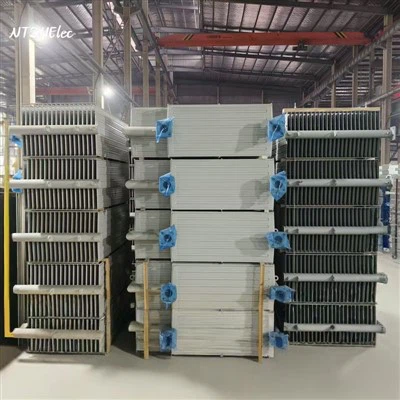
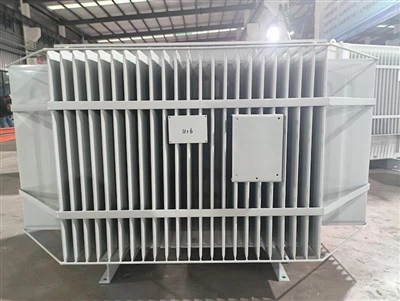
Hey there! I'm a supplier of Three Phase Pad Mounted Transformer Oil Tanks, and I'm here to chat about the transportation requirements for these bad boys.
First off, let's talk about what a three - phase pad - mounted transformer oil tank is. It's a crucial component in the electrical power distribution system. These tanks hold the oil that cools and insulates the transformer, ensuring it runs smoothly and efficiently. And as a supplier, I know that getting these tanks to our customers in one piece is super important.
Size and Weight Considerations
One of the main transportation requirements is dealing with the size and weight of the oil tank. Three - phase pad - mounted transformer oil tanks can be pretty hefty. They vary in size depending on the capacity of the transformer they're designed for. Larger tanks can weigh several tons.
When it comes to shipping, we need to make sure we have the right equipment. Heavy - duty trucks with high - capacity trailers are often required. These trucks need to be able to handle the weight without any issues. We also have to consider the dimensions of the tank. Some tanks are quite large, and they may require special permits for over - size loads.
For example, if a tank is wider or longer than the standard limits on the roads, we have to get permission from the relevant transportation authorities. This process can take some time, so it's something we plan for well in advance.
Packaging and Protection
Another important aspect is packaging and protection. The oil tank is a delicate piece of equipment, and it needs to be protected during transportation. We use high - quality packaging materials to prevent any damage.
First, we wrap the tank in a thick layer of protective padding. This padding helps to absorb any shocks or vibrations that may occur during transit. Then, we secure the tank inside a sturdy crate. The crate is designed to keep the tank in place and protect it from external forces.
We also take extra precautions to protect the tank from environmental factors. For instance, if the tank is being shipped in an area with a lot of moisture, we use moisture - resistant packaging. This helps to prevent rust and corrosion, which can damage the tank over time.
Handling and Loading
Proper handling and loading are also key transportation requirements. The oil tank needs to be loaded onto the truck carefully to avoid any damage. We use specialized lifting equipment, such as cranes, to lift the tank onto the trailer.
When loading the tank, we make sure it's centered on the trailer and properly secured. We use straps and chains to hold the tank in place, so it doesn't shift during transit. This is important because if the tank moves around, it can cause damage to itself and the truck.
During unloading, the same level of care is required. The tank needs to be lifted off the truck gently and placed in its final location without any issues.
Regulatory Compliance
We can't forget about regulatory compliance. There are a lot of rules and regulations when it comes to transporting transformer oil tanks. These regulations are in place to ensure the safety of everyone on the road and the environment.
For example, we have to follow the rules regarding the transportation of hazardous materials. Transformer oil is considered a hazardous material, so we need to make sure we're following all the proper procedures. This includes having the right documentation, such as shipping manifests and safety data sheets.
We also have to comply with local, state, and federal transportation regulations. These regulations cover things like vehicle safety, driver qualifications, and route planning. It's a lot to keep track of, but it's essential to make sure everything is done right.
Insurance
Insurance is another important consideration. We always make sure our shipments are fully insured. In case something goes wrong during transportation, we want to be able to cover the cost of any damages.
We work with reputable insurance companies to get the best coverage for our shipments. The insurance policy should cover the full value of the oil tank, as well as any potential damage to the truck or other property.
Comparison with Single - Phase Tanks
It's worth comparing the transportation requirements for three - phase pad - mounted transformer oil tanks with Single Phase Pad Mounted Transformer Oil Tank. Single - phase tanks are generally smaller and lighter than three - phase tanks.
This means that they may not require as heavy - duty trucks or special permits for over - size loads. However, the same principles of packaging, protection, handling, and regulatory compliance still apply.


Conclusion
So, there you have it - the transportation requirements for a three - phase pad - mounted transformer oil tank. It's a complex process that requires careful planning and attention to detail. But as a supplier, we're committed to making sure our customers get their tanks in perfect condition.
If you're in the market for a Three Phase Pad Mounted Transformer Oil Tank, don't hesitate to reach out. We can discuss your specific needs and provide you with a customized solution. Whether it's about the tank itself or the transportation requirements, we've got you covered. Let's start a conversation and see how we can work together to meet your electrical power distribution needs.
References
- Electrical Power Distribution Handbook
- Transportation Regulations for Hazardous Materials