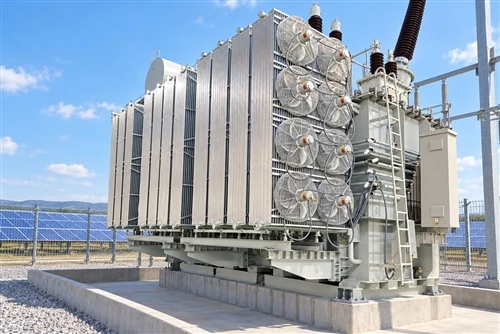
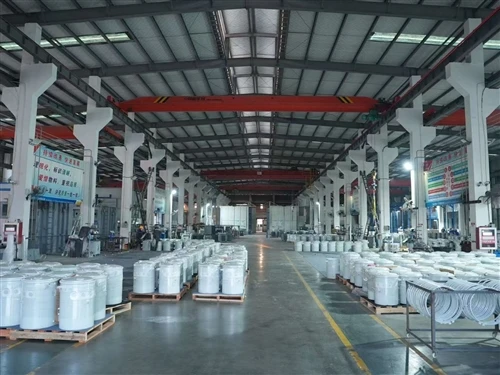
Oil oxidation in a transformer oil tank is a critical issue that can significantly affect the performance, lifespan, and safety of transformers. As a transformer oil tank supplier, I have witnessed firsthand the various impacts of oil oxidation on these essential components of the electrical grid. In this blog post, I will delve into the details of how oil oxidation occurs, its consequences, and how our products at [Company Name Placeholder] are designed to mitigate these effects.
Understanding Oil Oxidation in Transformer Tanks
Transformer oil serves several crucial functions in a transformer. It acts as an insulator, preventing electrical breakdown between the transformer's windings, and as a coolant, dissipating the heat generated during operation. However, over time, the oil can undergo oxidation, a chemical reaction that occurs when the oil comes into contact with oxygen in the presence of heat, moisture, and metal catalysts.
The oxidation process begins when the hydrocarbon molecules in the oil react with oxygen to form peroxides. These peroxides are unstable and can further decompose into various oxidation products, such as acids, aldehydes, ketones, and sludge. The rate of oxidation is influenced by several factors, including the temperature, the amount of oxygen and moisture in the tank, the type of oil used, and the presence of metal contaminants.
Impact on Electrical Insulation
One of the most significant impacts of oil oxidation on a transformer oil tank is the degradation of the electrical insulation properties of the oil. As the oxidation products accumulate, they can increase the oil's dielectric loss factor, which is a measure of the energy dissipated as heat when an alternating electric field is applied. A higher dielectric loss factor means that more energy is being wasted as heat, which can lead to overheating of the transformer and potentially cause insulation breakdown.
In addition, the acids formed during oxidation can react with the cellulose insulation in the transformer, causing it to degrade and lose its mechanical strength. This can lead to the formation of cracks and voids in the insulation, which can further reduce its electrical performance and increase the risk of electrical faults. Over time, continued oxidation can severely compromise the insulation system, leading to premature failure of the transformer.
Impact on Heat Dissipation
Another crucial function of transformer oil is to dissipate the heat generated during operation. However, oil oxidation can have a negative impact on the oil's ability to transfer heat effectively. As the oxidation products accumulate, they can form sludge, which can coat the internal components of the transformer and reduce the heat transfer efficiency.
The sludge can also clog the cooling channels in the transformer, restricting the flow of oil and reducing the cooling capacity. This can cause the temperature of the transformer to rise, which not only further accelerates the oxidation process but also increases the stress on the insulation and other components. Eventually, the reduced heat dissipation can lead to thermal runaway, where the temperature of the transformer continues to rise uncontrollably, potentially causing catastrophic failure.
Impact on Tank Corrosion
Oil oxidation can also accelerate the corrosion of the transformer oil tank. The acids formed during oxidation can react with the metal surfaces of the tank, causing them to corrode. This can weaken the structural integrity of the tank, leading to leaks and potentially hazardous situations.
Corrosion can also cause the formation of rust and other deposits on the internal surfaces of the tank, which can contaminate the oil and further degrade its performance. In addition, the presence of metal contaminants in the oil can act as catalysts for the oxidation reaction, further accelerating the process.
Impact on Maintenance and Operational Costs
The impacts of oil oxidation on a transformer oil tank can also have significant implications for maintenance and operational costs. Regular monitoring and testing of the oil are required to detect the signs of oxidation early and take appropriate measures to prevent further damage. This can include oil filtration, reclamation, or replacement, which can be costly and time-consuming.
In addition, the degradation of the insulation and other components due to oil oxidation can increase the frequency of maintenance and repairs, as well as the risk of unplanned downtime. This can result in lost revenue and increased costs associated with the disruption of electrical service.
Mitigating the Effects of Oil Oxidation
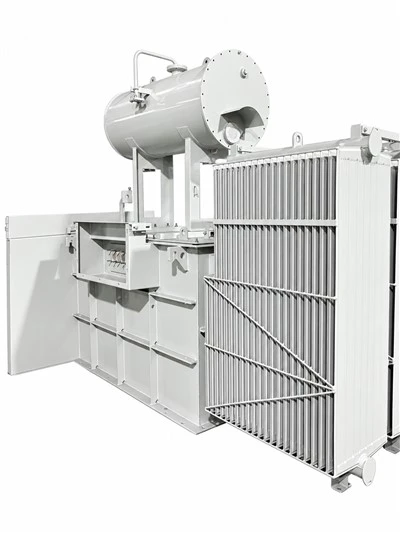
At [Company Name Placeholder], we understand the importance of minimizing the impacts of oil oxidation on transformer oil tanks. That's why we offer a range of high-quality transformer oil tanks designed to provide excellent insulation, heat dissipation, and resistance to corrosion.
Our Custom In-Line Pad-Mounted Transformer Tank is a versatile solution that can be customized to meet the specific requirements of your application. It features a robust construction and advanced insulation materials to minimize the risk of oil oxidation and ensure reliable performance.
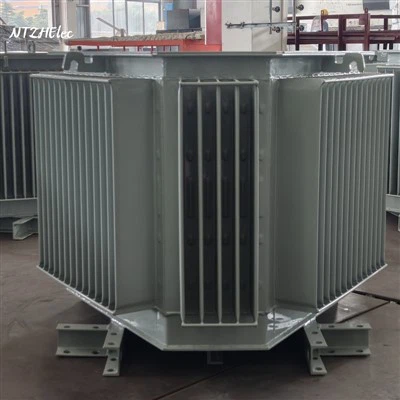
The Standard Corrugated Tank is another popular option that offers excellent heat dissipation and structural integrity. The corrugated design increases the surface area of the tank, allowing for more efficient cooling and reducing the temperature of the oil.
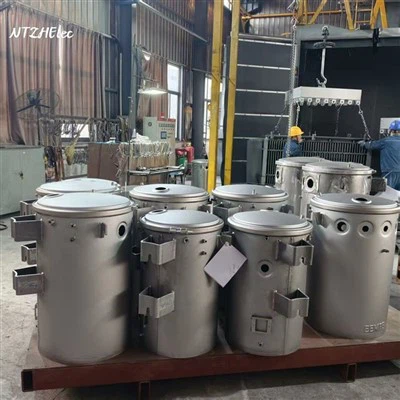
For pole-mounted transformers, our Single Phase Pole Mounted Transformer Oil Tank is designed to withstand the harsh environmental conditions and provide reliable insulation and cooling. It is made from high-quality materials and features a compact design for easy installation and maintenance.
The Corrugated Tank for 3D Wound Core Transformer is specifically designed for use with 3D wound core transformers, offering enhanced performance and efficiency. It features a unique corrugated design that provides excellent heat dissipation and reduces the risk of oil oxidation.
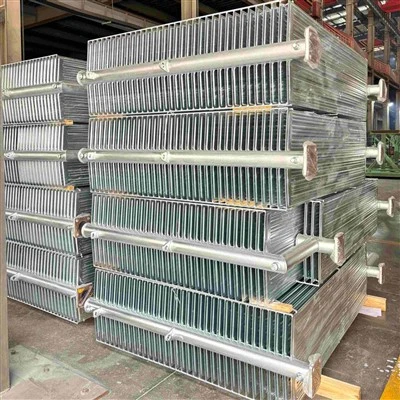
In addition, our Custom Mobile Transformer Tank And Radiator Assembly is a flexible solution that can be easily transported and installed on-site. It features a high-performance radiator system to ensure effective heat dissipation and minimize the impact of oil oxidation.
Conclusion and Call to Action
Oil oxidation is a serious issue that can have a significant impact on the performance, lifespan, and safety of transformers. As a transformer oil tank supplier, we are committed to providing our customers with high-quality products and solutions that can help mitigate the effects of oil oxidation and ensure the reliable operation of their transformers.


If you are looking for a transformer oil tank supplier that offers innovative solutions and excellent customer service, please contact us to discuss your requirements. Our team of experts is ready to assist you in choosing the right product for your application and providing you with the support you need to ensure the success of your project.
References
- Baker, P. R., & Bond, R. (2004). Transformer Diagnostic Guide: A Practical Guide to the Measurement, Analysis, and Interpretation of Transformer Field and Test Results. IEEE Press.
- Emsley, A. M., & Stevens, G. J. (2002). Degradation of transformer cellulose insulation in the presence of acids and furans. Electrical Insulation Magazine, IEEE, 18(4), 20-27.
- International Electrotechnical Commission. (2013). IEC 60296:2012 - Mineral insulating oils for electrical equipment.