Hey there! As a supplier of transformer oil drum storage, I've seen firsthand the challenges that come with maintaining the electrical conductivity of transformer oil during drum storage. It's a crucial aspect because any unwanted changes in conductivity can mess up the performance and lifespan of transformers. So, let's dive into how we can prevent those conductivity changes.
First off, we gotta understand what makes the electrical conductivity of transformer oil change in the first place. There are a few key factors at play here. Moisture is a biggie. When water gets into the transformer oil, it can increase the conductivity. This is because water molecules can break down into ions that can carry an electric charge. Oxygen is another troublemaker. Oxidation reactions can form polar compounds in the oil, which also boost the conductivity. And then there are contaminants like dust, dirt, and even metal particles. These can act as conductive pathways in the oil, leading to increased conductivity.
1. Keep the Drums Sealed Tight
The most basic step in preventing conductivity changes is to make sure the drums are sealed properly. A good seal acts as a barrier against moisture, oxygen, and contaminants from getting in. When we receive the drums, we always do a quick inspection to check the integrity of the seals. If there are any signs of damage or wear, we replace them right away.
We also use high - quality gaskets and lids that are designed to withstand the storage environment. These gaskets create an airtight and watertight seal, keeping the oil inside protected. And when it comes to opening and closing the drums, we're really careful. We make sure to clean the lids and the sealing surfaces before closing them to prevent any dirt or debris from getting trapped.
2. Control the Storage Environment
The environment where the drums are stored plays a huge role in maintaining the oil's properties. Temperature is a critical factor. High temperatures can speed up oxidation reactions and also increase the solubility of water in the oil. So, we try to store the drums in a cool and dry place. If possible, we keep the temperature below 30°C (86°F).
Humidity is another thing we keep an eye on. A high - humidity environment can lead to moisture absorption by the oil. To combat this, we use dehumidifiers in our storage areas. They help keep the relative humidity below 50%. This way, we reduce the risk of water entering the drums and affecting the oil's conductivity.

3. Use Inhibitors
Inhibitors are substances that can be added to the transformer oil to slow down oxidation and other chemical reactions. There are different types of inhibitors available, such as antioxidants and metal deactivators. Antioxidants work by reacting with free radicals that are formed during oxidation, preventing them from reacting with the oil molecules. Metal deactivators, on the other hand, prevent metals from catalyzing oxidation reactions.
We usually add these inhibitors during the filling process. The amount of inhibitor added depends on the type of oil and the expected storage conditions. But by adding them, we can significantly extend the shelf life of the transformer oil and prevent conductivity changes caused by oxidation.
4. Regular Monitoring
Even with all these preventive measures in place, it's still important to monitor the oil regularly. We do this by taking samples from the drums at regular intervals. These samples are then tested for various properties, including electrical conductivity.
We use specialized testing equipment to measure the conductivity accurately. If we notice any significant changes in the conductivity, we can take immediate action. This might involve further analysis to determine the cause, such as checking for moisture or contaminants, and then taking steps to correct the problem.
5. Proper Handling
How we handle the drums also affects the oil's conductivity. We make sure to use clean equipment when transferring the oil from one place to another. This includes hoses, pumps, and funnels. Any dirt or debris on these equipment can contaminate the oil and increase its conductivity.
When transporting the drums, we take precautions to prevent them from shaking too much. Excessive shaking can cause air bubbles to form in the oil, and these bubbles can cause local changes in conductivity. We also make sure to stack the drums properly to avoid any damage that could lead to leaks or the entry of contaminants.
The Role of Quality Drums
The quality of the drums themselves is also important. We use drums that are made from high - quality materials that are resistant to corrosion. Corrosion of the drum can release metal particles into the oil, which can increase its conductivity.

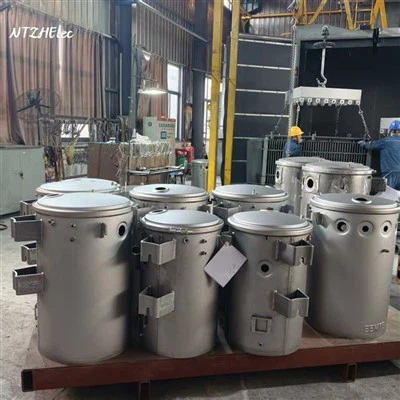
For example, the Single Phase Pole Mounted Transformer Oil Tank is designed to store transformer oil in a reliable way. It has a robust construction that can protect the oil from external factors. When we use such high - quality storage solutions, it gives us an extra layer of confidence in maintaining the oil's properties.
Conclusion
Preventing the electrical conductivity changes of transformer oil during drum storage is a multi - faceted task. By keeping the drums sealed tight, controlling the storage environment, using inhibitors, monitoring the oil regularly, and handling the drums properly, we can ensure that the oil retains its electrical properties.
If you're in the market for reliable transformer oil drum storage solutions, don't hesitate to reach out. We're here to help you ensure that your transformer oil stays in top - notch condition. Let's chat about your specific needs and how we can collaborate to make it happen.

Reference
- "Handbook of Transformer Oil Technology"
- "Guide for the Maintenance of Mineral Insulating Oil in Electrical Equipment"