Ensuring the safety and functionality of a gooseneck transformer radiator during installation is of utmost importance. As a trusted supplier of Gooseneck Transformer Radiator, we understand the critical role these components play in the efficient operation of transformers. In this blog post, we will discuss the essential safety precautions that should be taken when installing a gooseneck transformer radiator.
Pre - installation Preparations
Before commencing the installation process, thorough preparations are necessary to minimize risks. First and foremost, a detailed inspection of the gooseneck transformer radiator should be carried out. Check for any visible signs of damage during transit, such as dents, cracks, or loose connections. Any damaged parts can compromise the radiator's performance and may pose safety hazards later on.
At our company, we ensure that all Gooseneck Transformer Radiator units undergo rigorous quality control before shipping. However, it's still crucial for installers to perform their own on - site inspections. Make sure that all the necessary components are included in the package, such as mounting brackets, gaskets, and fasteners.
The installation site also needs careful consideration. The area should be clean, dry, and free from any debris or obstructions. It should have adequate space for the radiator to be installed and for future maintenance work. Additionally, the site should be well - ventilated to prevent the build - up of heat and fumes. If the installation is taking place indoors, ensure that there are proper exhaust systems in place.

Personal Protective Equipment (PPE)
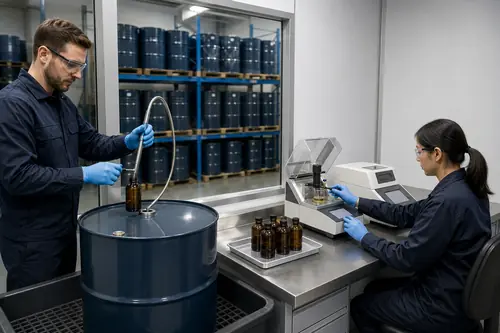
Wearing appropriate personal protective equipment is non - negotiable during the installation process. Installers should wear safety glasses to protect their eyes from flying debris, dust, and any potential chemical splashes. Gloves are also essential to prevent cuts, abrasions, and chemical exposure. Depending on the nature of the installation, heavy - duty work gloves or chemical - resistant gloves may be required.
A hard hat is necessary to protect the head from falling objects, especially if the installation is taking place in an area with overhead work or where tools and equipment are being moved around. Steel - toed boots should be worn to safeguard the feet from heavy objects, sharp edges, and potential impacts.
In some cases, respiratory protection may be needed, such as when working in an area with poor ventilation or when handling chemicals. A dust mask or a respirator can prevent the inhalation of harmful particles, fumes, or vapors.
Electrical Safety
Since gooseneck transformer radiators are often connected to electrical systems, electrical safety is a top priority. Before starting any work, the power supply to the transformer and the radiator should be completely shut off. This can be done by switching off the circuit breakers or fuses at the main electrical panel.
Use a voltage tester to confirm that there is no electrical current present in the wires and components. This simple yet crucial step can prevent electric shocks and potential electrocution. When handling electrical connections, make sure that all wires are properly insulated and that there are no exposed conductors.
Proper grounding is also essential for electrical safety. The gooseneck transformer radiator must be securely grounded to prevent the build - up of static electricity and to protect against electrical faults. Follow the manufacturer's instructions for grounding the radiator correctly.
Mechanical Safety
When installing the gooseneck transformer radiator, there are several mechanical safety aspects to consider. Lifting the radiator should be done with proper equipment and techniques. If the radiator is heavy, use a crane, hoist, or forklift to lift it into place. Make sure that the lifting equipment is in good working condition and that it has a sufficient weight capacity.
During the installation, ensure that all mounting brackets and fasteners are tightened securely. Loose connections can cause the radiator to vibrate, which may lead to damage over time and can even result in the radiator falling off. Check the torque specifications for all bolts and nuts to ensure that they are tightened to the correct level.
Be cautious when handling sharp edges on the radiator, such as the fins or the edges of the casing. These can cause cuts and lacerations. If necessary, use edge - protectors or handle the radiator with care to avoid contact with sharp parts.

Chemical Safety
Some gooseneck transformer radiators may require the use of chemicals, such as coolants or lubricants. When handling these chemicals, it's important to follow all safety guidelines. Read the product labels carefully to understand the proper handling, storage, and disposal procedures.
Store chemicals in a cool, dry, and well - ventilated area away from sources of heat and ignition. Use appropriate containers for storing chemicals and ensure that they are clearly labeled. When using chemicals, wear the necessary PPE, such as chemical - resistant gloves and goggles.
In case of a chemical spill, have an appropriate spill - response plan in place. This may include using absorbent materials to clean up the spill and following the proper procedures for disposing of the contaminated materials.
Comparison with Other Types of Transformer Radiators
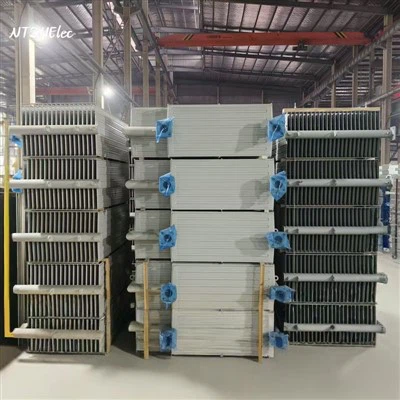
While we focus on Gooseneck Transformer Radiator, it's also worth comparing it with other types of transformer radiators. Hot - Dip Galvanized Transformer Radiator is known for its excellent corrosion resistance. The hot - dip galvanizing process creates a protective layer on the radiator, which can extend its lifespan, especially in harsh environments.
On the other hand, Conventional Transformer Radiator has been a reliable choice for many years. It offers a more traditional design and may be suitable for applications where cost - effectiveness is a major consideration.
Each type of radiator has its own advantages and installation requirements. However, the basic safety precautions, such as electrical, mechanical, and chemical safety, remain the same across different types of transformer radiators.
Post - installation Check
After the installation is complete, a thorough post - installation check is required. Re - check all the connections, both electrical and mechanical, to ensure that they are secure. Turn on the power supply gradually and monitor the operation of the gooseneck transformer radiator.
Check for any unusual noises, vibrations, or leaks. An unusual noise may indicate a mechanical problem, while vibrations can be a sign of loose connections. Leaks can be a result of improper sealing or damaged components. If any issues are detected, address them immediately to prevent further damage and ensure the safety of the system.
Conclusion
Installing a gooseneck transformer radiator requires strict adherence to safety precautions to protect the installers, the equipment, and the overall electrical system. By following the steps outlined in this blog post, you can minimize the risks associated with the installation process and ensure the long - term performance of the radiator.
If you are in the market for a high - quality Gooseneck Transformer Radiator, we are here to assist you. Our team of experts can provide you with detailed information about our products and offer guidance on installation and maintenance. Contact us today to start a discussion about your specific requirements for transformer radiators.

References
- Electrical Safety Standards Handbook
- Mechanical Installation Guidelines for Transformer Radiators
- Chemical Handling and Safety Manual