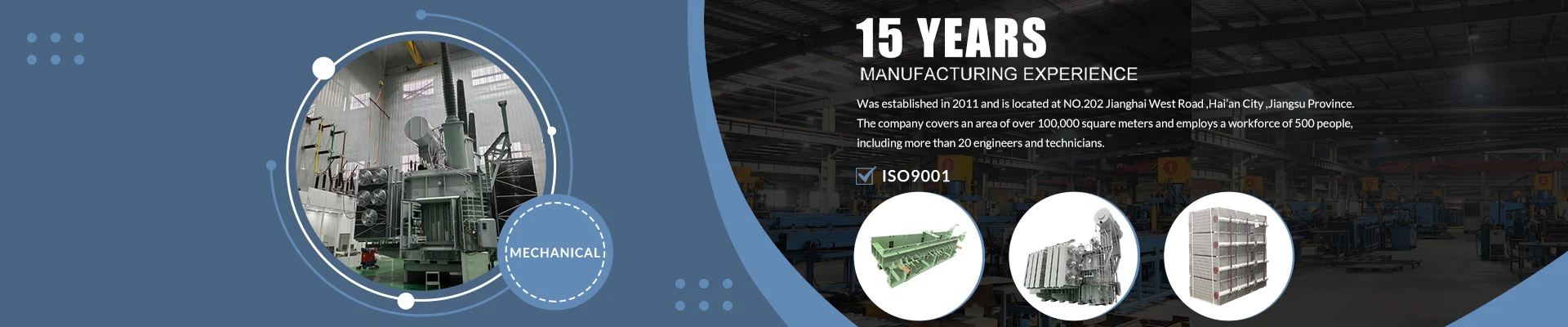
The main materials for transformer oil tanks include low-carbon steel plate, Q355 high-strength steel, stainless steel, and aluminum alloy. Different materials are suitable for transformers of different capacities, environments, and structural designs to meet comprehensive requirements such as strength, sealing, and corrosion resistance.
Based on actual application needs, the specific material choices for each type are as follows:
Low-carbon steel plate (e.g., Q235)
This is the most common tank material, widely used in medium and small transformers. It has low cost and good processing performance, and can be welded into box-type or bell-type structures. To prevent rust, the surface is usually treated with anti-rust paint.
Q355 low-alloy high-strength steel
Compared to ordinary carbon steel, Q355 has a higher yield strength (approximately 355 MPa), better resisting oil pressure and mechanical impact, making it suitable for manufacturing tanks under large or high-stress conditions. It also has good weldability and can save 15%-20% of material costs while ensuring strength.
Stainless steel is primarily used in applications requiring high corrosion resistance, such as coastal areas, areas prone to acid rain, or key fire-prone areas. Stainless steel casings are not only corrosion-resistant and high-temperature resistant, but also offer good fire resistance and aesthetics, although they are relatively expensive.
Aluminum alloys, due to their low density, make transformers lighter, facilitating transportation and installation; they also possess excellent thermal conductivity, aiding in heat dissipation. Suitable for mobile devices or special applications requiring lightweight design, but with lower strength than steel, they are mostly used for protective casings rather than the main tank structure.