Hey there, everyone! If you're here, chances are you're either working with transformer oil, sourcing storage solutions for it, or just curious about what keeps that critical stuff safe when it's not in a transformer. As someone who's been in the transformer oil storage game for years-helping businesses keep their operations running smooth and their teams safe-I've seen firsthand how cutting corners on storage safety can lead to big, messy problems.
Transformer oil isn't just some random lubricant. It's mineral oil (or a synthetic alternative) that does two huge jobs for electrical transformers: cools them down and insulates the parts that make electricity flow. But when that oil is sitting in storage tanks, unprocessed or waiting to be filtered, it's a totally different beast. It's flammable, can leak or spill if handled wrong, and even breaks down over time if stored poorly-making it less effective when you actually need it for a transformer.
Today, I want to break down the real safety requirements we live by at our storage supply business (no boring jargon, promise-just what I've learned from late nights troubleshooting and clients calling in panics). We've helped set up everything from small, above-ground tanks for local electric co-ops to bigger systems for industrial plants, so these points are practical, not just textbook.
First up, let's talk about location. Where you put your transformer oil storage tank matters more than most people think. I once had a client who stuck a 500-gallon tank right next to a dumpster with a faulty space heater-turns out, a single spark from that heater could've ignited the oil vapor. Big no-no. The general rule here is to keep storage areas at least 50 feet from any ignition sources: heaters, electrical panels, welding stations, even trash cans. We also suggest placing tanks on flat, stable ground with a slight slope (like 1 to 2 degrees) so if there's a leak, it runs away from buildings or power lines, not toward them.
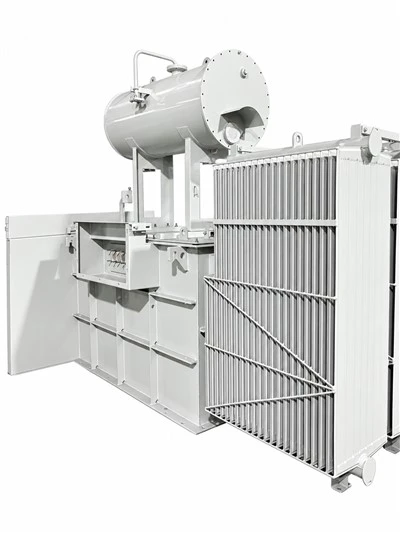
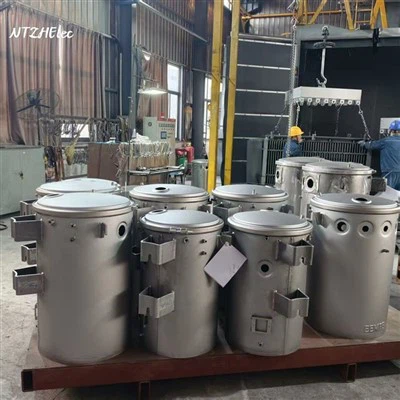
And if you're storing tanks outdoors? They need to be on raised concrete pads or metal skids-no dirt or gravel, because weeds can catch fire and grass can hold moisture that rusts the tank over time. For smaller setups, like pole-mounted tanks for single-phase transformers, that's a whole other animal. Wait, let me show you a solid example of the kind of tank we supply for those: Single Phase Pole Mounted Transformer Oil Tank. That unit's built to sit high off the ground, away from standing water, and it's designed to limit vapor buildup in tight, outdoor spaces where a big concrete pad isn't possible. We've installed those for rural electric teams, and they've had zero issues with leaks or fire risks in three years of use.
Next, tank design and construction-this is non-negotiable. Transformer oil tanks can't be just any old steel barrel. They need to be made of thick, corrosion-resistant steel (minimum 1/4 inch for above-ground tanks) because even a tiny rust spot after a year of rain can turn into a leak that's impossible to spot until it's too late. No dented tanks either-dents weaken the steel, and if the tank's under pressure (from hot oil expanding in the sun), a dent can split open.
Welding is another big one. All seams, connections, and fill ports need to be professionally welded and pressure-tested before the tank even leaves our warehouse. We pressure-test every single tank we supply for at least 30 minutes at 10 PSI-if we hear a single air leak, it goes back. No exceptions. Also, tanks need proper venting. Wait, why venting? Because when oil gets hot, it expands, and cold oil contracts. If there's no vent, the tank will either bulge (from expansion) or suck in dirt and moisture (from contraction), which breaks down the oil. But not just any vent-needs a flame arrestor to stop any external sparks from getting in and igniting oil vapor. Trust me, I've seen a tank with a missing flame arrestor catch fire when a kid tossed a cigarette over a fence-total disaster.
Now, containment systems. Even if you do everything right, leaks happen. So every storage tank needs a secondary containment system-something that can hold 110% of the oil inside the tank. For above-ground tanks, that's a concrete basin around the tank, or a metal spill pallet. For underground tanks? It's a double-walled tank with a leak detection layer in between the two walls. We recently supplied a double-walled underground system for a municipal water treatment plant that uses transformer oil for their backup transformers, and the leak detector went off in the middle of a rainstorm when a tree root nicked the outer wall. If they didn't have that, they'd have spilled hundreds of gallons of oil into the soil-costly and bad for the environment.
Environmental stuff is tied right to safety here too. Spills don't just make a mess-they're a fire hazard, and they can contaminate groundwater. So no way around secondary containment. And for tanks holding more than 1,000 gallons, you need to have a spill plan on file. Most local fire departments will ask for it, and we help every client we work with put one together.
Fire safety is next, and it's probably the most talked-about-but also most often overlooked-part. Transformer oil has a flash point (the temp where it catches fire) of around 300°F, which is higher than gasoline, but it's still flammable if heated long enough. So storage areas need to have two things: fire extinguishers rated for class B fires (liquid fires) and a fire alarm. We keep 5-pound ABC extinguishers near every tank we install, but we also teach clients that water isn't the way to put out an oil fire-it'll just spread it. Class B extinguishers (like CO2 or dry chemical) are what you need.
For bigger storage areas, we also suggest having a foam system. Foam smothers the fire, cuts off oxygen, and keeps the oil from vaporizing. One industrial client we work with had a small fire in a storage shed last year-their foam system kicked in before the fire department arrived, and no one got hurt, zero oil spilled. That's the kind of prep you can't buy.
Then there's oil quality monitoring. Wait, how is that a safety requirement? Because bad oil is more flammable and can make tanks fail. Transformer oil absorbs moisture over time, which lowers its insulation ability and raises its flammability. So you need to test the oil every 6 to 12 months for moisture content, acidity, and dielectric strength. If the moisture level is over 30 ppm, you need to filter the oil before storing it. We have a whole line of filtration units that go along with our storage tanks, and we tell every client that dirty oil in a safe tank is still a risk.
Also, ventilation in storage buildings. If you're storing oil inside a building (like a shed or warehouse), you can't have it sealed up. Exhaust fans need to pull out oil vapor, because vapor builds up low to the ground (oil is denser than air) and can sit there for hours until a spark hits. Last year, a small shop in the area had a vapor buildup in their unventilated storage shed-someone turned on a light switch, the spark hit the vapor, and the whole shed went up. That's preventable. We always tell indoor storage clients to have two ventilation fans: one near the floor pulling vapor out, one near the ceiling bringing in fresh air.
Personal safety is non-negotiable too. The people handling the tanks and oil need to be trained. They should wear gloves, safety glasses, and non-sparking shoes-steel-toed shoes with rubber soles, no hard soles that can spark on concrete. No open flames in storage areas, obviously, and no smoking within 25 feet of tanks. We hold free training sessions for all our clients in the first month after we set up their storage, because even the best tank won't be safe if someone's handling it wrong.
Wait, let's talk about maintenance-this is something a lot of people skip, and it comes back to bite them. Tanks need weekly inspections: check for dents, rust, leaks, and make sure the vent and flame arrestor are clean. We supply a free inspection checklist to every client, and we send text reminders every month to do a walkaround. Every year, you need to have a professional check the tank's structural integrity, pressure-test it again, and test the oil. We have a team that does annual audits for our regular clients, and most of the time, they catch a tiny rust spot before it turns into a leak.
I also have to mention underground tanks specifically, since they're a different set of risks. Underground tanks need to be double-walled, like I said earlier, and have leak detection sensors that send an alert to your phone or a monitoring service. You can't just bury a single-walled tank-it'll rust from the outside, and you won't know until oil is leaking into the ground. We don't supply single-walled underground tanks anymore, because the liability is way too high for our clients and us.
Now, let's address a common myth: "Transformer oil storage is just storage, right? It doesn't need as much care as when it's in a transformer." Nope. That's the mistake I see all the time. When oil's in a transformer, it's circulating, cooled, and filtered. When it's sitting in storage, it's static, so it's more prone to absorbing moisture, breaking down, and building up acids that eat at the tank walls. So all the safety rules apply even more when it's not in use.
So who needs to care about these rules? If you're an electric utility, a manufacturing plant with backup transformers, a construction company storing oil for project transformers, or even a small business with a pole-mounted transformer-you're handling transformer oil, and these safety requirements apply. Cutting corners on location, tank design, fire prep, or maintenance isn't just bad practice-it's a safety risk for your team, your property, and the environment.
If you're looking for a reliable storage solution that checks all these boxes (we don't sell cheap, one-size-fits-all tanks-we customize for each client's space and needs), or if you need help auditing your current setup, hit us up. We've been in this for over a decade, and we've walked businesses through everything from replacing a leaking tank to setting up a full outdoor storage system with secondary containment and fire monitoring.
Before I wrap up, let's make sure I didn't miss anything important. Oh-regulatory compliance. Most countries (and even states in the US) have specific rules for storing hazardous materials like transformer oil. You might need a permit for tanks over a certain size, or you might have to report spills to environmental agencies. We help every client navigate that red tape too, because it's easy to miss those details when you're busy running operations.
At the end of the day, transformer oil storage safety isn't about following a list of random rules-it's about protecting the people who work around that oil, the assets that depend on it, and the planet we all share. I've been in this long enough to know that the cost of doing it right is way less than the cost of a spill, a fire, or a safety incident.
If you have questions about tank designs, inspection checklists, or just want to chat about your storage setup, reach out. We're here to help, no sales pressure-just real advice from people who live and breathe this stuff every day.


References
- National Fire Protection Association (NFPA). (2021). NFPA 70: National Electrical Code, Article 450 (Transformers). Quincy, MA: NFPA.
- Occupational Safety and Health Administration (OSHA). (2022). Hazardous Waste Operations and Emergency Response (HAZWOPER) Standard (29 CFR 1910.120). Washington, D.C.: U.S. Department of Labor.
- Institute of Electrical and Electronics Engineers (IEEE). (2018). IEEE C57.12.00: Standard for General Requirements for Liquid-Immersed Distribution, Power, and Regulating Transformers. Piscataway, NJ: IEEE.
- U.S. Environmental Protection Agency (EPA). (2020). Spill Prevention, Control, and Countermeasure (SPCC) Rule (40 CFR Part 112). Washington, D.C.: EPA.