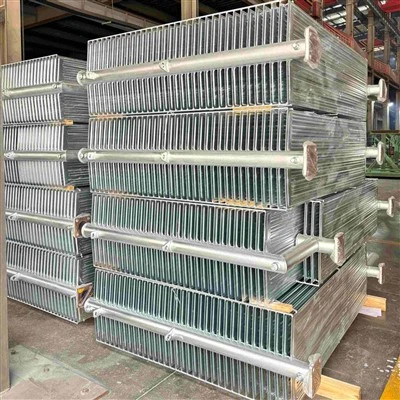
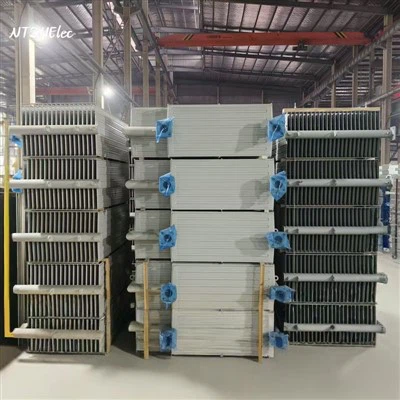
Hey there! I'm an industry insider in the power transformer radiator field, and today I'm stoked to share insights on what it takes to paint a power transformer radiator. As a trusted power transformer radiator supplier, we've seen it all, and painting might seem like a simple task, but it's a crucial part of the whole deal.
Why Painting Matters
First off, why do we even bother painting these radiators? Well, it's not just for aesthetics, though a nice - looking radiator does add a bit of polish. The main deal is protection. Power transformer radiators are often exposed to some pretty harsh conditions. They can be out in the open, facing rain, snow, and all kinds of extreme weather. Without a proper paint job, the metal parts of the radiator can start to rust and corrode. This corrosion can lead to leaks, which are a big no - no in the power transformer world. Rust can also weaken the structure of the radiator, reducing its lifespan and efficiency. So, a good paint job acts like a shield, keeping the radiator safe from the elements.
Surface Preparation
Before you even think about slapping on the paint, surface preparation is key. You gotta start with a clean surface. Any dirt, grease, or old paint needs to go. We usually use a combination of methods for this. One common way is sandblasting. It's like giving the radiator a really intense scrub. The sandblasting shoots tiny particles at high speeds, knocking off all the grime and creating a rough surface. This rough surface is great because it helps the new paint stick better.
Another method is chemical cleaning. Special solvents are used to dissolve dirt and grease. You have to be careful with this method, though, because some chemicals can be pretty harsh. You need to make sure to follow all the safety guidelines and dispose of the chemicals properly.
After the cleaning, it's important to check for any damage to the radiator. If there are any dents, scratches, or other imperfections, they need to be fixed before painting. You can use fillers or welding to repair these areas, and then sand the repaired spots smooth.
Choosing the Right Paint
Not all paints are created equal when it comes to power transformer radiators. You need a paint that can withstand high temperatures. Transformers generate a lot of heat, and the radiator's job is to dissipate that heat. So, the paint has to be able to handle the heat without peeling, cracking, or losing its protective qualities.
We also look for paints that are resistant to chemicals. In some industrial settings, the radiator might come into contact with various chemicals. A chemical - resistant paint will prevent these chemicals from eating away at the radiator.
UV resistance is another important factor. If the radiator is outdoors, it's going to be exposed to sunlight, and the UV rays can break down the paint over time. A paint with good UV resistance will last longer and keep the radiator looking and performing well.
There are different types of paints that meet these requirements. Epoxy paints are a popular choice. They're tough, durable, and have excellent adhesion to metal surfaces. Polyurethane paints are also great. They offer good chemical and UV resistance, and they're available in a wide range of colors.
Application Process
Once you've got the surface ready and the right paint picked out, it's time to start painting. There are a few different ways to apply the paint. One of the most common methods is spray painting. It gives a smooth and even finish, and it can cover a large area quickly. When spray painting, you need to make sure to use the right equipment and follow the manufacturer's instructions. You also have to be careful about the environment. You don't want to be spraying paint in windy conditions, as it can cause uneven coverage and waste paint.
Another method is brush painting. This is a more hands - on approach and is better for smaller areas or for getting into tight spots. It takes more time and skill to get a good finish with a brush, but it can be very effective.
No matter which method you choose, you usually need to apply multiple coats of paint. The first coat is called the primer. The primer helps the paint adhere to the surface and provides an extra layer of protection. After the primer has dried, you can apply the topcoat. Make sure to let each coat dry completely before applying the next one. This will ensure a strong and long - lasting paint job.
Quality Control
After the painting is done, quality control is super important. You need to check the paint job for any defects. Look for things like runs, drips, uneven coverage, or missed spots. You can also perform tests to make sure the paint is adhering properly. One simple test is the tape test. You stick a piece of tape on the painted surface and then quickly pull it off. If a lot of paint comes off with the tape, then the adhesion is poor, and you might need to repaint.
We also check the thickness of the paint. The paint needs to be thick enough to provide good protection but not so thick that it affects the radiator's performance. There are special tools available to measure the paint thickness accurately.
Single Phase Pole Mounted Transformer Oil Tank
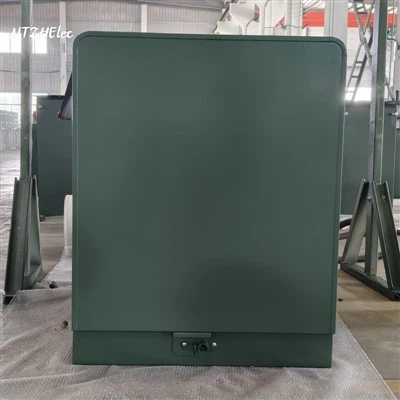
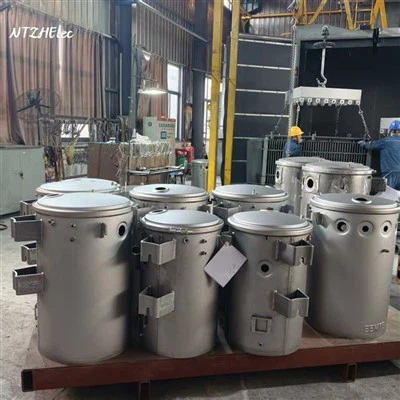
If you're in the market for a single - phase pole - mounted transformer oil tank, you can check out this link: Single Phase Pole Mounted Transformer Oil Tank. It has all the details you need about these types of oil tanks.
Conclusion
Painting a power transformer radiator isn't just about making it look nice. It's a vital process that protects the radiator from corrosion, heat, chemicals, and UV rays. From proper surface preparation to choosing the right paint and applying it correctly, every step is important. At our company, we take all these aspects seriously to ensure that our customers get high - quality, long - lasting radiators.
If you're interested in our power transformer radiators or have any questions about the painting process or our products, don't hesitate to reach out to us for a friendly chat and possibly start a procurement discussion. We're here to help you find the best solutions for your power transformer needs.
References
- American Society for Testing and Materials (ASTM). Standards related to paint for industrial equipment.
- Manufacturer's guidelines for paints used in power transformer applications.