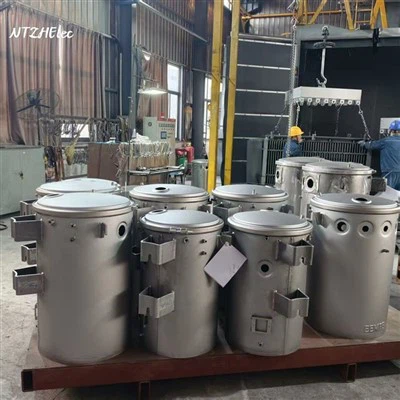
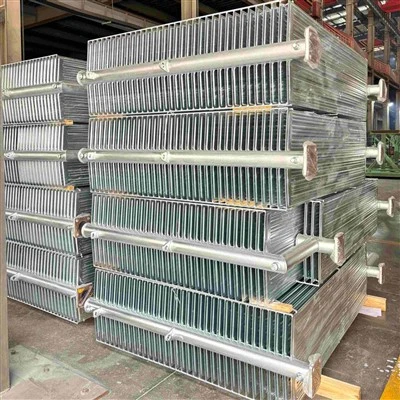
If you've ever shopped for single phase pad mounted transformer oil tanks, you've probably noticed how many brands are out there - each with their own claims about build quality, longevity, and performance. As a supplier who's worked closely with these tanks for years, I've gotten to see first-hand how different brands stack up, and the small (but critical) differences that can make or break a project. This isn't just about picking a random option from a catalog; it's about understanding what each brand brings to the table, because the oil tank is way more than just a metal box holding transformer oil - it's the backbone that protects the unit from weather, corrosion, and physical damage.
First off, let's start with the basics: single phase pad mounted transformers are those compact units you see on utility poles or concrete pads in residential neighborhoods, business parks, and small commercial sites. Their oil tanks are designed to hold the insulating oil, dissipate heat, and keep contaminants out. Not all tanks are created equal, though. Some brands cut corners on material thickness, others skip quality control steps that prevent leaks, and a few even use subpar coatings that wear out in harsh climates.
One of the biggest differences I see is in material selection. Budget brands often use thinner steel - sometimes as low as 12-gauge - which might work for mild climates but dents easily if a tree branch falls or a lawnmower hits it. I've had customers come to me with tanks from a no-name brand that were bent so badly in a year that water got in, contaminating the oil and forcing an early replacement. More reputable brands, on the other hand, typically use 10-gauge steel or thicker for the main tank body, with reinforced corners and bracing at key stress points. They also use high-quality, industrial-grade powder coatings or hot-dip galvanizing that resists rust even in coastal areas or places with heavy snow and ice. For context, if you're comparing single phase options, it's worth noting that some brands' focus on thin materials is a cost-saving trick - and one that ends up costing you more in the long run.
Next, let's talk about sealing and fitting designs. This is where a lot of brands hide flaws. Cheap single phase tank brands often use basic gaskets made of regular rubber that hardens and cracks after just a few years of exposure to UV light and temperature swings. That leads to oil leaks, which not only waste the insulating fluid but also pose environmental risks and can short out the transformer. Better brands use EPDM gaskets - the same material used in car engines and outdoor equipment - that stay flexible for 10+ years, even in extreme cold or heat. They also invest in precision-cut flanges and bolt designs that create a tight, consistent seal every time, rather than skipping precision work to speed up production. I've seen one brand's tanks fail leak tests 30% of the time straight out of the box, while another top-tier brand has a less than 1% failure rate in sealing.
For those who might be expanding their setup, it's also useful to cross-reference with related products if needed. If you ever outgrow a single phase unit or need to add capacity, checking out three phase pad mounted transformer oil tanks can help you understand how different designs scale for larger loads.

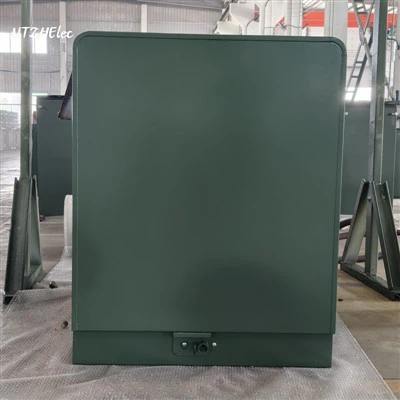
Then there's customization and compatibility with other components. Not all brands design their tanks to work seamlessly with common transformer parts. Some budget tanks only have standard-sized ports, making it hard to swap out old components or add accessories like pressure relief valves or gauge ports without modifying the tank. More established brands engineer their single phase tanks to have flexible, pre-sized ports that fit most standard transformer models, and some even offer custom port locations if you have a unique installation. A few brands even design their tanks to pair well with mobile substation tanks for temporary power needs, though that's more of a niche feature. Another area where some brands differ is in their approach to Chinese style substation tanks - those designed for specific regional standards. Some brands adapt their single phase tanks to meet Chinese safety codes, while others only follow local North American or European standards, which is a key point if you're working on a project in a specific geographic area.
Warranty and after-sales support are also huge differentiators. Many low-cost single phase tank brands offer only a 1-year warranty, and if you have a problem, they're hard to reach - often a customer service line that's understaffed or based overseas, with limited knowledge of transformer tanks. Reputable brands, including the ones I work with, offer 5 to 10-year warranties on material defects and workmanship, and have local support teams that can answer questions or help with repairs quickly. For example, if you have a leak after 2 years, a good brand will send a tech out or send replacement parts at no cost, while a budget brand might tell you it's "user error" and refuse to help.
Let's get real - I see customers make the mistake of choosing the cheapest single phase tank every time, and they always regret it. Last year, a small business owner called me because his $500 budget tank failed after 18 months. He thought he saved money, but he had to pay $3,000 for a new transformer when the oil got contaminated, plus labor to dig up the old unit and install the new one. The brand I recommended - one that uses thick steel and EPDM gaskets - cost $1,200, has a 10-year warranty, and is still going strong two years later. That's the kind of math that matters more than the initial price tag.
Another thing to consider is quality control. Major brands that specialize in pad mounted transformer tanks have strict factory inspections - every tank is pressure-tested for leaks, checked for coating uniformity, and verified to meet industry safety standards. Budget brands often skip these steps to save time, sending out tanks that might have hidden defects like tiny holes in the steel or uneven coating that will lead to rust down the line. For example, a leading brand I work with pressure tests every single tank to 15 PSI for 30 minutes, which catches 99% of sealing issues before the tank even leaves the warehouse. Many smaller brands only test a sample of their tanks, so you could get a dud even if it looks good on the shelf.
Climate adaptability is another subtle difference. If you're in a place with extreme temperatures - like the desert Southwest with 110°F summers, or the Midwest with -20°F winters - not all tanks handle that well. Some brands coat their tanks with a standard paint that fades and peels in intense sun, while others use heat-resistant coatings that reflect sunlight, keeping the oil cooler and extending the life of the transformer. In cold areas, tanks with better sealing and thicker steel are less likely to crack when oil expands and contracts. Cheaper brands rarely tailor their designs for specific climates, so they work okay in mild areas but fail elsewhere.
It's also worth noting that not all tanks are single phase, and knowing the difference can help when planning projects. If you're looking at larger power needs, exploring three phase options can give you a sense of how tank design changes for higher load capacities, though our focus here is on single phase units. For projects that need temporary power solutions, some brands also design their tanks to integrate with mobile substation tanks, which is a useful feature for construction sites or emergency power needs. And for clients working in regions with specific design requirements, there are brands that offer modified single phase tanks aligned with Chinese style substation tank specifications, which is important to keep in mind for cross-regional projects.
Let's wrap this up with a quick takeaway: when comparing single phase pad mounted transformer oil tank brands, don't just look at the price. Check the material thickness, gasket quality, sealing design, warranty, and quality control processes. A slightly more expensive tank from a reputable brand will save you money on repairs, replacements, and headaches down the line. I've seen way too many projects go sideways because someone cut corners on the tank - and that's a mistake easy to avoid by asking the right questions and picking a brand that stands behind its product.
If you're in the market for a single phase pad mounted transformer oil tank, or you want more details on how different brands stack up, feel free to reach out for a chat. We can walk through your specific needs, whether you're working on a residential development, a small commercial project, or something in between. Don't forget to check out our single phase pad mounted transformer oil tank page for more specs and options, or browse our other pad mounted tank solutions if you need something that fits larger or custom projects.
References:
- IEEE Std C57.12.28, Standard for Pad-Mounted Equipment - Safety Requirements, Institute of Electrical and Electronics Engineers
- National Electrical Manufacturers Association (NEMA) Standard TP 1, Transformers, Regulators, and Reactor Units
- Aluminum Association, "Corrosion Protection of Aluminum and Steel for Electrical Equipment," 2022
- Transformer Oil Insulation and Maintenance Guidelines, Electric Power Research Institute (EPRI), 2021