Hey everyone, I'm Jake, and if you're here, you're probably either someone who works at a facility that stores transformer oil or you're in the market for a new tank (or maybe both). I've been a part of the transformer oil storage game for over 8 years now, working with a ton of facilities to get their tank layouts right – and let me tell you, I've seen way too many sites where bad layout choices lead to headaches: spills, compliance issues, even downtime when they least expect it. Today, I want to break down how to optimize your transformer oil storage tank layout, and since I supply these tanks, I'll throw in a real example that's worked wonders for a lot of folks out there.
First off, let's cut through the jargon for a second. Why does layout even matter? Transformer oil isn't just random liquid – it's insulating, it cools transformers, and it's got some specific handling rules. A bad layout doesn't just make your site look messy; it can mean longer delivery times for equipment, higher risk of environmental issues if something leaks, and even failing inspections that cost you money. I once worked with a manufacturing plant that had three tanks crammed next to a loading dock, and every time a semi backed in, they'd have to shut down access to one tank for a day. That's the kind of unnecessary hassle we can fix with smart layout choices.
Let's start with the basics: tank placement relative to other key facility areas. I get it, space is always tight – facilities have transformers, electrical rooms, loading areas, waste storage, all fighting for room. But the #1 rule I preach is this: keep your tanks within 50 feet of the transformers they serve. Wait, why? Because the longer the oil line, the more oil that's sitting stagnant, which can lead to moisture buildup in the lines (not good for insulation) and more pressure if you need to pump oil fast. That same plant I mentioned earlier? They moved two of their smaller tanks 45 feet from their primary transformers, and they cut their pump-down time by 22% – huge when you're dealing with an emergency transformer swap.
Another big no-no: don't site tanks near hot surfaces or electrical equipment. Transformer oil is flammable, and even if you're using mineral-based oil (most common), extreme heat can raise its vapor pressure, making leaks more dangerous. I've seen sites put tanks next to exhaust stacks, and by the end of summer, they had to add extra insulation to the tank outer walls. If you can, aim for a flat, elevated area with good drainage – that way, if there's a spill, it doesn't pool near a transformer or walkway.
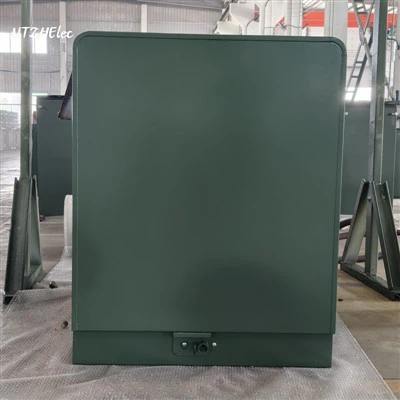
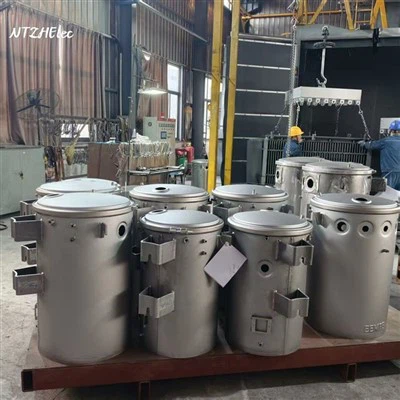
Now, if you're dealing with a smaller facility or a pole-mounted setup, let's talk about that specifically. A lot of folks assume pole-mounted tanks are just for tiny, single-phase transformers, but they're super useful for facilities with limited ground space. I supply a solid single option here, the Single Phase Pole Mounted Transformer Oil Tank, that's designed to cut down on floor space while still meeting all safety specs. I recently helped a rural substation swap out their old ground-mounted tank for this pole-mounted one – freed up 120 square feet of ground they used to waste on containment, and it's way easier to inspect since it's 10 feet off the ground. That's the kind of space optimization that makes pole-mounted units a no-brainer for small-to-mid facilities.
Next up: spacing between tanks, if you have multiple. I see this all the time – facilities stack tanks right on top of each other like soda cans, and that's a recipe for disaster. OSHA and EPA have specific rules here, but even beyond compliance, you need space for maintenance. A good rule of thumb is at least 3 feet between each tank, but if you have larger tanks (10,000 gallons or more), bump that up to 5 feet. Why? Because if you need to replace a valve or fix a leak, you can get to both sides of the tank without moving another unit. We had a client with four big tanks, and they'd been cramming them tight for years – once they spaced them out, they cut their valve repair time from 2 hours per tank to 45 minutes. That's hours back on your operational schedule.
Wait, also: leave room around containment areas. Every tank needs a secondary containment system – think a concrete berm or a lined pit that holds 110% of the tank's capacity, per EPA requirements. I can't tell you how many facilities build the containment and then forget to leave space around it. If your containment is up against a wall, you can't get a spill kit or a pump in there fast. Aim for 2 feet of clear space around the entire containment boundary. It's a tiny addition that saves so much stress if something goes wrong.
Now, let's talk about utility access. This is a part of layout that's often an afterthought, but it's critical. Your tank needs to connect to power for pumps, to plumbing for oil delivery, and to a waste line for any used oil. If you place the tank where those utilities are already running, you'll save a ton on installation costs and avoid running new lines across your site. For example, if your electrical room is on the east side of the facility, don't put your tank on the west side – you'll have to dig a trench 100 feet long for power cables. I always do a quick site walkthrough with a facilities manager first to map existing utilities, then place the tank where it intersects with those lines. That small step can cut installation costs by 15-20% – no exaggeration.
Also, let's not forget about weather considerations. If you're in a region with heavy snow or high winds, tank placement matters. In snowy areas, don't put tanks under overhangs or near trees that drop heavy branches – we had a client in upstate New York have a tree branch fall on their ground-mounted tank, cracking the shell and spilling 2,000 gallons of oil. In windy areas, pole-mounted tanks are actually better because they're elevated, so wind can flow around them instead of pushing against a big ground tank. The Single Phase Pole Mounted Transformer Oil Tank I supply is rated for 110 mph winds, which is perfect for coastal or plains facilities that deal with strong gusts.
Another point: traffic flow on your site. If your facility has forklifts, semi-trucks, or other moving equipment, you don't want tanks in the middle of a main traffic lane. That's an accident waiting to happen. I always recommend placing tanks near a secondary access road or a designated delivery zone, so you can bring in oil without blocking daily operations. We had a manufacturing plant that used to unload oil in their main shipping lane, which meant they had to reroute all shipments during delivery – once we moved their tank to a side access road, that reroute time dropped to zero. It's the little wins like that that make layout optimization worth it.
Now, what about future expansion? A lot of facilities plan for today's needs, not tomorrow. If you think you might add a second transformer in 3-5 years, leave empty space next to your current tank. Don't build your tank layout as a permanent box – make it flexible. I've seen facilities that built a tank area and then had to pave over flower beds or remove storage sheds to add another tank a few years later. Leaving 20-30% of the space in your tank zone open for future units saves you from that headache. We supply tanks in different sizes, so if you do expand, you don't have to rip out your entire layout – just slot a new tank into the open space we planned for.
Wait, let's get into safety and compliance, because that's non-negotiable. When laying out your tanks, make sure you're following NFPA 70 (electrical code) and EPA Spill Prevention, Control, and Countermeasure (SPCC) rules. NFPA says tanks need to be at least 10 feet from any electrical equipment that's over 600 volts, so don't put your tank next to a transformer switchgear. The SPCC rule is where that secondary containment comes in – I always check that the containment is correctly sized and that it drains away from any sensitive areas (like storm drains that lead to local waterways). A lot of facilities get fined because their containment drains straight into a ditch, so that's a non-negotiable layout check.
Let me share a real success story to tie this all together. Last year, I worked with a mid-sized industrial park that had three ground-mounted transformer tanks, all crammed together near their main electrical substation. They were dealing with constant delays when swapping oil, twice failing EPA inspections because their containment wasn't properly spaced, and they had a semi accident where a driver scraped a tank's valve (thankfully no spill, but close). We reworked their layout: moved the tanks 40 feet from the substation, spaced them 5 feet apart, built new containment with clear access, and added a pole-mounted auxiliary tank (using that Single Phase Pole Mounted Transformer Oil Tank I mentioned) for backup oil. The results? They cut oil delivery time by 30%, passed their next inspection on the first try, and haven't had a single near-miss since. That's the kind of difference smart layout makes.
Now, let's go over a quick checklist you can use for your own layout. First: map existing utilities (power, plumbing, delivery access) before you place anything. Second: keep tanks close to the transformers they serve (within 50 feet max). Third: space tanks 3-5 feet apart, 10+ feet from electrical gear, and 50+ feet from hot surfaces. Fourth: leave room for secondary containment, with 2 feet of clear access around it. Fifth: factor in weather and site traffic flow. Sixth: leave 20-30% open space for future expansion.
A quick note on tank type, too. If your facility is small, has limited ground space, or deals with frequent wind/snow, a pole-mounted tank is way better than ground-mounted. The Single Phase Pole Mounted Transformer Oil Tank I supply is pre-welded, has a built-in secondary containment (no need for a separate berm), and is super easy to install – it's not just for tiny systems, it's a space-saver for any site that's tight on room. I always tell clients not to assume ground-mounted is the only option; pole-mounted can cut down on layout clutter big time.
At the end of the day, optimizing your transformer oil storage tank layout isn't about overcomplicating things – it's about planning for your site's specific needs, avoiding common mistakes that cause headaches, and building flexibility for the future. Whether you're swapping out old tanks, adding a new unit, or just reconfiguring what you have, taking the time to get the layout right saves you money, time, and stress down the line.
If you're looking to upgrade your tanks or rework your layout, don't hesitate to reach out. We can help you assess your site, pick the right tanks for your needs, and make sure the layout is optimized for safety, efficiency, and compliance. No sales pitch, just honest advice from someone who's been in the field and seen what works.

References:
National Fire Protection Association. (2021). NFPA 70: National Electrical Code.
U.S. Environmental Protection Agency. (2023). Spill Prevention, Control, and Countermeasure (SPCC) Rule.
International Electrotechnical Commission. (2022). IEC 61373: Railway applications – Rolling stock equipment – Shock and vibration tests.
Occupational Safety and Health Administration. (2022). Process Safety Management of Highly Hazardous Chemicals.