As a supplier of Gooseneck Transformer Radiators, I'm often asked about how these essential components work. In this blog post, I'll delve into the inner workings of a gooseneck transformer radiator, explaining the principles behind its operation and highlighting its advantages over Conventional Transformer Radiator.
The Basics of Transformer Cooling
Before we dive into the specifics of gooseneck transformer radiators, it's important to understand the basic concept of transformer cooling. Transformers generate heat during operation due to the resistance in their windings and the magnetic losses in their cores. If this heat is not dissipated effectively, it can lead to a rise in temperature, which can reduce the efficiency of the transformer, shorten its lifespan, and even cause it to fail.
To prevent this, transformers are equipped with cooling systems that transfer the heat generated inside the transformer to the surrounding environment. There are several types of cooling systems available, including air cooling, oil cooling, and water cooling. Gooseneck transformer radiators are a type of oil-cooled radiator that is commonly used in medium to large power transformers.
How a Gooseneck Transformer Radiator Works
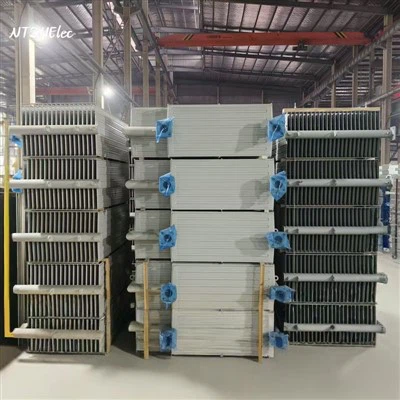
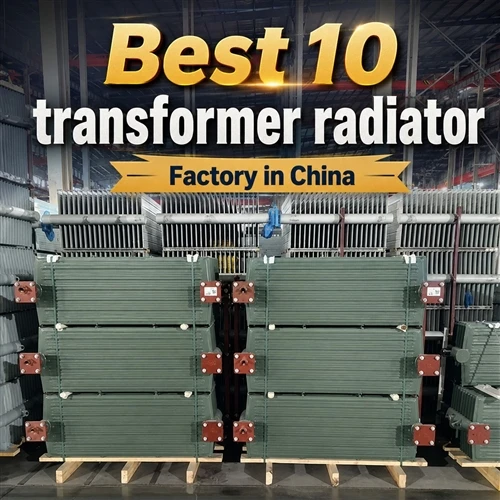
A gooseneck transformer radiator consists of a series of finned tubes that are connected to the transformer's oil tank. The tubes are arranged in a vertical or horizontal configuration, and they are designed to maximize the surface area available for heat transfer. The oil inside the transformer circulates through the tubes, carrying the heat generated by the transformer to the fins.
The fins on the tubes are made of a high-conductivity material, such as aluminum or copper, which helps to transfer the heat from the oil to the surrounding air. As the air passes over the fins, it absorbs the heat and carries it away, cooling the oil in the process. The cooled oil then returns to the transformer, where it can absorb more heat and continue the cycle.
One of the key features of a gooseneck transformer radiator is its unique shape. The gooseneck design allows the radiator to be installed in a compact space, making it ideal for use in transformers that are located in confined areas. The gooseneck also helps to improve the flow of oil through the radiator, which enhances the cooling efficiency.
Advantages of Gooseneck Transformer Radiators
There are several advantages to using a gooseneck transformer radiator over a Conventional Transformer Radiator. Some of the key benefits include:
- Compact Design: The gooseneck design allows the radiator to be installed in a smaller space, making it ideal for use in transformers that are located in confined areas.
- Improved Cooling Efficiency: The unique shape of the gooseneck helps to improve the flow of oil through the radiator, which enhances the cooling efficiency.
- Reduced Noise: Gooseneck transformer radiators are designed to operate quietly, which makes them ideal for use in applications where noise is a concern.
- Easy Maintenance: The finned tubes on the radiator are easy to clean and maintain, which helps to ensure the long-term performance of the radiator.
Applications of Gooseneck Transformer Radiators
Gooseneck transformer radiators are used in a wide range of applications, including:


- Power Generation: Gooseneck transformer radiators are commonly used in power generation plants to cool the transformers that are used to step up or step down the voltage of the electrical power.
- Industrial Applications: Gooseneck transformer radiators are also used in industrial applications, such as manufacturing plants and refineries, to cool the transformers that are used to power the equipment.
- Renewable Energy: Gooseneck transformer radiators are increasingly being used in renewable energy applications, such as wind farms and solar power plants, to cool the transformers that are used to convert the DC power generated by the renewable energy sources into AC power.
Conclusion
In conclusion, gooseneck transformer radiators are an essential component of medium to large power transformers. They work by transferring the heat generated by the transformer to the surrounding air through a series of finned tubes. The unique shape of the gooseneck helps to improve the flow of oil through the radiator, which enhances the cooling efficiency. Gooseneck transformer radiators offer several advantages over conventional transformer radiators, including a compact design, improved cooling efficiency, reduced noise, and easy maintenance. They are used in a wide range of applications, including power generation, industrial applications, and renewable energy.
If you're in the market for a high-quality gooseneck transformer radiator, Gooseneck Transformer Radiator is your trusted supplier. Our radiators are designed and manufactured to meet the highest standards of quality and performance, and we offer a wide range of options to suit your specific needs. Contact us today to learn more about our products and to discuss your requirements.
References
- Electrical Power Systems: Design and Analysis, Third Edition by Turan Gonen
- Power System Analysis and Design, Fifth Edition by J. Duncan Glover, Mulukutla S. Sarma, and Thomas J. Overbye
- Transformer Engineering: Design, Technology, and Diagnostics by George Karady and James McCalley