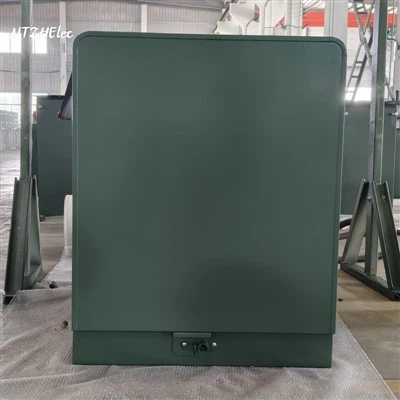
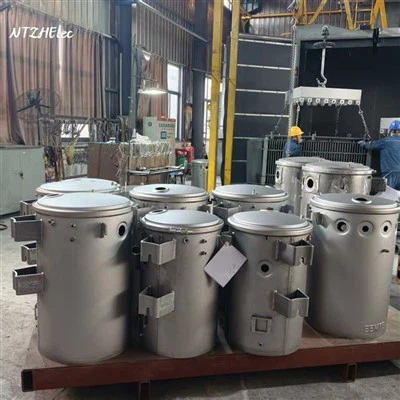
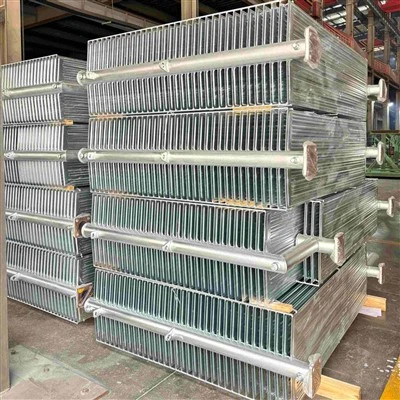
As a supplier of Standard Corrugated Tanks, I understand the critical importance of complying with regulatory requirements. These requirements are not just bureaucratic hurdles; they ensure the safety, quality, and performance of our products. In this blog, I will share some key steps and considerations on how to comply with the regulatory requirements for a Standard Corrugated Tank.
Understanding the Regulatory Landscape
The first step in compliance is to have a clear understanding of the regulatory landscape. Different regions and industries may have specific regulations governing the design, manufacturing, and use of Standard Corrugated Tanks. For example, in the electrical industry, where these tanks are often used for transformers, there are strict safety and environmental regulations.
It is essential to stay updated on the latest regulations in your target markets. This can be achieved by regularly monitoring regulatory websites, industry publications, and participating in relevant industry associations. For instance, in the United States, the Occupational Safety and Health Administration (OSHA) and the Environmental Protection Agency (EPA) have regulations that may impact the production and use of Standard Corrugated Tanks.
Design and Engineering Compliance
The design and engineering of Standard Corrugated Tanks play a crucial role in meeting regulatory requirements. The design should take into account factors such as pressure ratings, material selection, and structural integrity.
Pressure Ratings
Standard Corrugated Tanks are often subject to internal pressures, especially in applications like transformers where the oil inside the tank can expand and contract with temperature changes. The design must ensure that the tank can withstand the maximum expected pressure without failure. This requires accurate calculations and testing to determine the appropriate thickness of the tank walls and the design of the corrugations.
Material Selection
The choice of materials for Standard Corrugated Tanks is also regulated. The materials must be suitable for the intended application, resistant to corrosion, and meet safety standards. For example, in transformer applications, the tank material should be compatible with the transformer oil to prevent chemical reactions that could affect the performance of the transformer.
Structural Integrity
The tank's structure must be designed to withstand various loads, including its own weight, the weight of the contents, and external forces such as wind and seismic loads. Engineers use advanced software and testing methods to ensure that the tank's design meets the required structural integrity standards.
Manufacturing Compliance
Once the design is finalized, the manufacturing process must also comply with regulatory requirements. This includes quality control, production processes, and documentation.
Quality Control
Quality control is essential to ensure that each Standard Corrugated Tank meets the specified standards. This involves inspections at various stages of the manufacturing process, from raw material inspection to final product testing. For example, non - destructive testing methods such as ultrasonic testing and magnetic particle testing can be used to detect any internal defects in the tank.


Production Processes
The production processes must be carefully controlled to ensure consistency and compliance. This includes welding procedures, surface treatment, and assembly processes. Welding is a critical process in tank manufacturing, and welders must be certified to perform the required welds according to the relevant standards.
Documentation
Proper documentation is required to demonstrate compliance with regulatory requirements. This includes design documents, manufacturing records, test reports, and certificates of compliance. These documents provide evidence that the tank has been designed, manufactured, and tested in accordance with the applicable regulations.
Installation and Maintenance Compliance
The installation and maintenance of Standard Corrugated Tanks are also subject to regulatory requirements.
Installation
During installation, the tank must be installed in accordance with the manufacturer's instructions and relevant safety standards. This includes proper positioning, anchoring, and connection to other components. For example, in transformer applications, the tank must be installed in a well - ventilated area to prevent the build - up of flammable gases.
Maintenance
Regular maintenance is necessary to ensure the continued compliance and performance of the tank. This includes inspections, cleaning, and replacement of any worn or damaged parts. Maintenance records should be kept to demonstrate that the tank has been properly maintained over its lifespan.
Regulatory Compliance for Specific Applications
In addition to the general regulatory requirements, there are specific requirements for different applications of Standard Corrugated Tanks.
Transformer Applications
For transformers, the tank must meet electrical safety standards, such as insulation resistance and dielectric strength. The tank must also be designed to prevent the leakage of transformer oil, which can be a significant environmental hazard. Standard Corrugated Tank is a popular choice for transformer applications due to its excellent heat dissipation and structural integrity.
Other Industrial Applications
In other industrial applications, such as chemical storage or water treatment, the tank must comply with relevant chemical and environmental regulations. The tank material must be resistant to the chemicals stored inside, and the tank must be designed to prevent any leaks or spills.
The Role of Third - Party Certifications
Third - party certifications can play a significant role in demonstrating compliance with regulatory requirements. Certifications from recognized organizations such as Underwriters Laboratories (UL) or the International Electrotechnical Commission (IEC) can provide customers with confidence in the quality and safety of the Standard Corrugated Tanks.
These certifications are obtained through a rigorous testing and evaluation process. The certifying organization will review the design, manufacturing, and testing processes of the tank to ensure that it meets the relevant standards. Once certified, the tank can be labeled with the certification mark, which is a clear indication of its compliance.
Staying Ahead of Regulatory Changes
Regulatory requirements are constantly evolving, and it is essential for suppliers of Standard Corrugated Tanks to stay ahead of these changes. This requires a proactive approach to monitoring regulatory updates, participating in industry discussions, and investing in research and development.
By staying ahead of regulatory changes, suppliers can ensure that their products remain compliant and competitive in the market. They can also anticipate future requirements and develop innovative solutions to meet these challenges.
Conclusion
Complying with the regulatory requirements for a Standard Corrugated Tank is a complex but essential task. It involves understanding the regulatory landscape, ensuring design and engineering compliance, controlling the manufacturing process, and maintaining proper installation and maintenance. Third - party certifications can provide additional assurance of compliance.
As a supplier of Standard Corrugated Tank, we are committed to meeting all regulatory requirements to provide our customers with high - quality, safe, and reliable products. If you are interested in purchasing Standard Corrugated Tanks or have any questions about our products, please feel free to contact us for further discussion. We also offer Corrugated Tank for 3D Wound Core Transformer, which is designed to meet the specific needs of 3D wound core transformers.
References
- Occupational Safety and Health Administration (OSHA) regulations
- Environmental Protection Agency (EPA) regulations
- Underwriters Laboratories (UL) standards
- International Electrotechnical Commission (IEC) standards