A transformer radiator removes heat from the insulating oil of an oil-immersed transformer. Although it looks like a relatively simple steel component, it has a direct influence on temperature rise, insulation life, loading capability and long-term operating reliability.
The radiator does not cool the windings directly. Instead, it cools the oil that carries heat away from the transformer's active part.
Where Does Transformer Heat Come From?
A transformer generates heat whenever it is energized. Part of this heat comes from electrical resistance in the windings, while additional losses occur in the core and structural components.
The insulating oil absorbs heat from the windings and core. Without an effective cooling path, the oil temperature and winding hot-spot temperature would continue to rise. A power transformer radiator provides additional external surface area through which this heat can be released into the surrounding air.
This temperature control helps protect the transformer oil, paper insulation, seals and other temperature-sensitive components.
How Does Oil Circulate Through a Transformer Radiator?
In a naturally cooled transformer, oil circulation is driven by differences in temperature and density.
Hot oil becomes less dense and rises toward the top of the transformer tank. It enters the transformer radiator through the upper connection and flows into the top header. The oil then moves downward through the radiator elements, transferring heat through the steel walls to the surrounding air.
As the oil cools, it becomes denser and returns to the lower part of the transformer tank through the bottom header and connection. This continuous circulation is commonly known as the thermosiphon effect.
The basic process is straightforward:
- The windings and core heat the transformer oil.
- Hot oil rises and enters the upper radiator connection.
- Oil flows through the radiator panels.
- Heat passes from the oil to the steel surface and then to the air.
- Cooled oil returns through the lower connection.
The internal oil passages, upper and lower headers and tank connections must be correctly sized so that oil can circulate without unnecessary resistance.

Transformer Radiators in ONAN and ONAF Cooling
In an ONAN system-Oil Natural Air Natural-the oil circulates naturally, and heat leaves the transformer radiator through natural air convection. Neither oil pumps nor cooling fans are required.
In an ONAF system-Oil Natural Air Forced-the oil still circulates naturally, but fans move air across the radiator surfaces. The higher airflow improves heat transfer and allows the transformer to operate at the loading level specified by its thermal design.
Larger transformers may use pumps for forced oil circulation. In these systems, radiator arrangement, oil-flow rate, fan capacity and cooling controls must be considered together.
Adding more radiator panels or fans does not automatically increase transformer capacity. The cooling equipment must match the winding design, transformer losses, oil circulation and permitted temperature rise.
Why Is Temperature Control Important?
Excessive temperature accelerates the ageing of cellulose insulation and can shorten the service life of transformer oil. It may also affect gaskets, seals and painted surfaces.
An appropriately designed transformer radiator helps:
- Control top-oil and winding temperature rise
- Reduce thermal stress on internal insulation
- Slow oxidation and ageing of transformer oil
- Support the specified transformer loading cycle
- Improve reliability in high ambient temperatures
For different transformers radiators, the required dimensions and cooling surface must be selected according to actual heat losses and operating conditions rather than appearance alone.
Common Transformer Radiator Types
Several transformer radiator types are used in oil-immersed transformers.
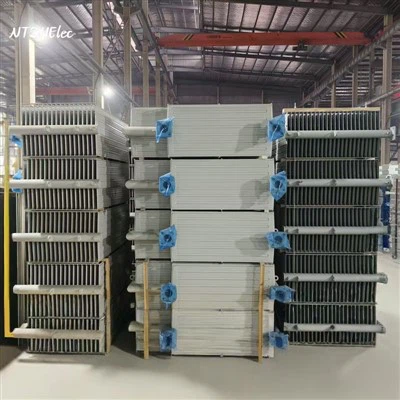
Removable pressed-steel panel radiators are widely used on medium and large power transformers. They are connected to the transformer tank through upper and lower flanges, often with isolation valves that simplify installation and maintenance.
Gooseneck radiators use a particular header or connection arrangement to suit the transformer layout and available installation space. Corrugated cooling fins, by comparison, are often integrated directly into distribution-transformer tanks.
Fan-assisted radiator banks are used where natural airflow is not sufficient. Hot-dip galvanizing is not a separate cooling type; it is a surface-protection option for humid, coastal or corrosive environments.
The correct choice depends on cooling demand, transformer structure, available space, transport restrictions and site conditions.

What Determines Transformer Radiator Performance?
The performance of a transformer radiator is affected by the number and length of the elements, panel spacing, effective heat-transfer area, oil-flow resistance and airflow around the surfaces.
The vertical distance between the upper and lower connections also affects natural oil circulation. Incorrect flange centre distance, nozzle orientation or bolt-hole position can prevent installation even when the overall radiator size appears correct.
A custom power transformer radiator should therefore be manufactured from an approved drawing. The transformer designer remains responsible for determining the required heat-dissipation capacity based on transformer losses, ambient temperature, altitude, cooling method and allowable temperature rise.
What Affects the Transformer Radiator Price?
A realistic transformer radiator price cannot be calculated from height and width alone. The quotation is affected by:
Number, length and spacing of radiator elements
- Steel grade and material thickness
- Header-pipe and nozzle dimensions
- Flange and valve requirements
- Welding and leakage-testing requirements
- Paint system or hot-dip galvanizing
- Order quantity
- Packing and transportation method
Two radiators with similar external dimensions may have different weights, connection details and inspection requirements. Buyers should provide an approved drawing, required quantity, test criteria and coating specification before comparing quotations.
What Should Buyers Check When Comparing Transformer Radiator Manufacturers?
When evaluating transformer radiator manufacturers, buyers should look beyond unit price. The supplier should be able to control panel forming, welding consistency, header alignment, flange centre distance and surface treatment.
Radiator panels are manufactured from relatively thin steel, so small welding defects can lead to oil leakage during service. Each completed transformer radiator should therefore undergo dimensional inspection and leakage testing at the agreed pressure and holding time before delivery.
Buyers should also confirm material traceability, coating thickness, internal cleanliness, flange protection and export packing. For a removable radiator, accurate interfaces are just as important as the appearance of the finished coating.
Inspection and Maintenance During Service
During routine inspection, operators should check transformers radiators for oil marks around welds, headers, flanges, valves and plugs. Corrosion, damaged panels and blocked airflow should also be addressed before cooling performance is affected.
Where fans are installed, fan motors and control systems require periodic inspection. Isolation valves must remain in their correct operating position; an accidentally closed valve can stop oil circulation through the radiator.
The function of a transformer radiator is simple in principle: it carries hot oil away from the tank, releases heat to the surrounding air and returns cooler oil to the transformer. Reliable performance, however, depends on correct thermal design, accurate dimensions, sound welding and proper leakage control.
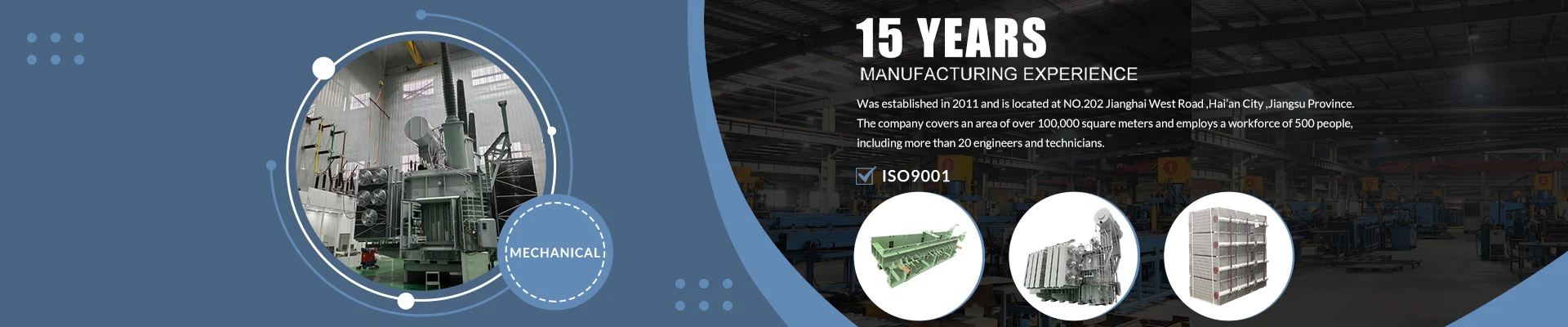
Nantong Zhihe Electric manufactures custom transformer radiators according to approved customer drawings. Our capabilities include automatic welding, dimensional inspection, 100% leakage testing, C3–C5 coating systems and hot-dip galvanized radiator production. Buyers can send the radiator drawing, technical specification, quantity and delivery requirements for a manufacturing review and quotation.