Humidity is a crucial environmental factor that significantly influences a wide range of industrial equipment, including transformer radiators. As a professional transformer radiator supplier, I have witnessed firsthand the profound and intricate ways in which humidity can impact these vital components. In this blog, I aim to delve into the diverse impacts of humidity on transformer radiators, exploring both the short - term and long - term effects, and how we can mitigate these challenges.
1. Short - Term Effects of Humidity on Transformer Radiators
Cooling Efficiency
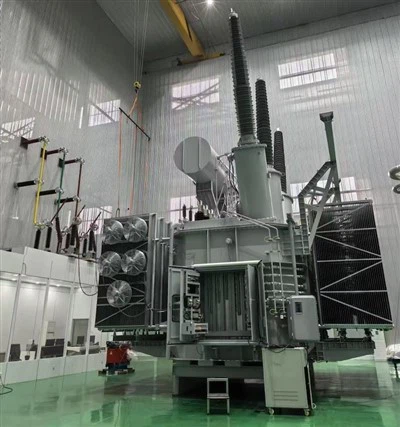
One of the immediate effects of humidity on a transformer radiator is its impact on cooling efficiency. Transformer radiators work on the principle of heat transfer from the transformer oil to the surrounding air. When the air is humid, the presence of water vapor reduces the air's ability to absorb heat.
The specific heat capacity of water vapor is higher than that of dry air. This means that when humid air comes in contact with the radiator fins, it takes more energy to raise the temperature of the air - water vapor mixture compared to dry air. As a result, the heat transfer rate from the radiator to the air slows down, and the transformer may not be cooled as effectively. This can cause the transformer's temperature to rise, leading to increased stress on its internal components and potentially reducing its operational lifespan.
Condensation
High humidity levels can also lead to condensation on the surface of the radiator. When the temperature of the radiator drops below the dew point of the surrounding air, water droplets form on the radiator's fins and tubes. Condensation can be particularly problematic in the short - term as it can create a barrier between the radiator and the air. This barrier further inhibits the heat transfer process by reducing the direct contact between the hot radiator surface and the cooling air.
Moreover, the presence of water on the radiator can cause electrical issues if it seeps into sensitive components or contacts exposed electrical connections. Even a small amount of water can increase the risk of short - circuits, which can disrupt the normal operation of the transformer and pose safety hazards.
2. Long - Term Effects of Humidity on Transformer Radiators
Corrosion
One of the most significant long - term impacts of humidity on transformer radiators is corrosion. Water is a key ingredient in the corrosion process, and high humidity provides a continuous source of moisture. When the metal surfaces of the radiator are exposed to humid air, a chemical reaction occurs that leads to the formation of rust and other corrosion products.
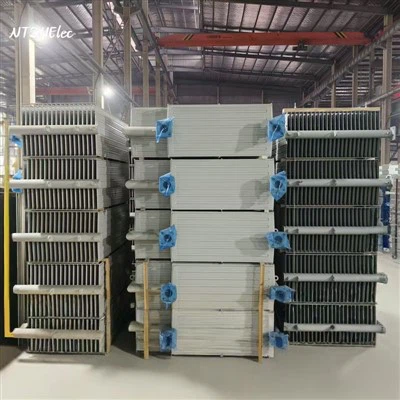
Different types of transformer radiators, such as Conventional Transformer Radiator and Gooseneck Transformer Radiator, are made of various metals, including steel and aluminum. These metals are susceptible to corrosion in the presence of moisture and oxygen. As corrosion progresses, it can weaken the structural integrity of the radiator, leading to leaks, reduced heat transfer efficiency, and eventual failure of the component.
Deterioration of Insulation
Humidity can also have a detrimental effect on the insulation materials used in transformer radiators. Many insulation materials, such as rubber gaskets and dielectric fluids, can absorb moisture over time. When the insulation materials absorb water, their electrical properties change. The dielectric strength of the insulation decreases, which means that it is less able to withstand high voltages without breaking down.
This deterioration of insulation can lead to partial discharges, a phenomenon where electrical current leaks through the insulation. Partial discharges can generate heat and further damage the insulation, creating a vicious cycle that can ultimately result in a complete insulation failure and a catastrophic transformer breakdown.
3. Mitigation Strategies
Design Considerations
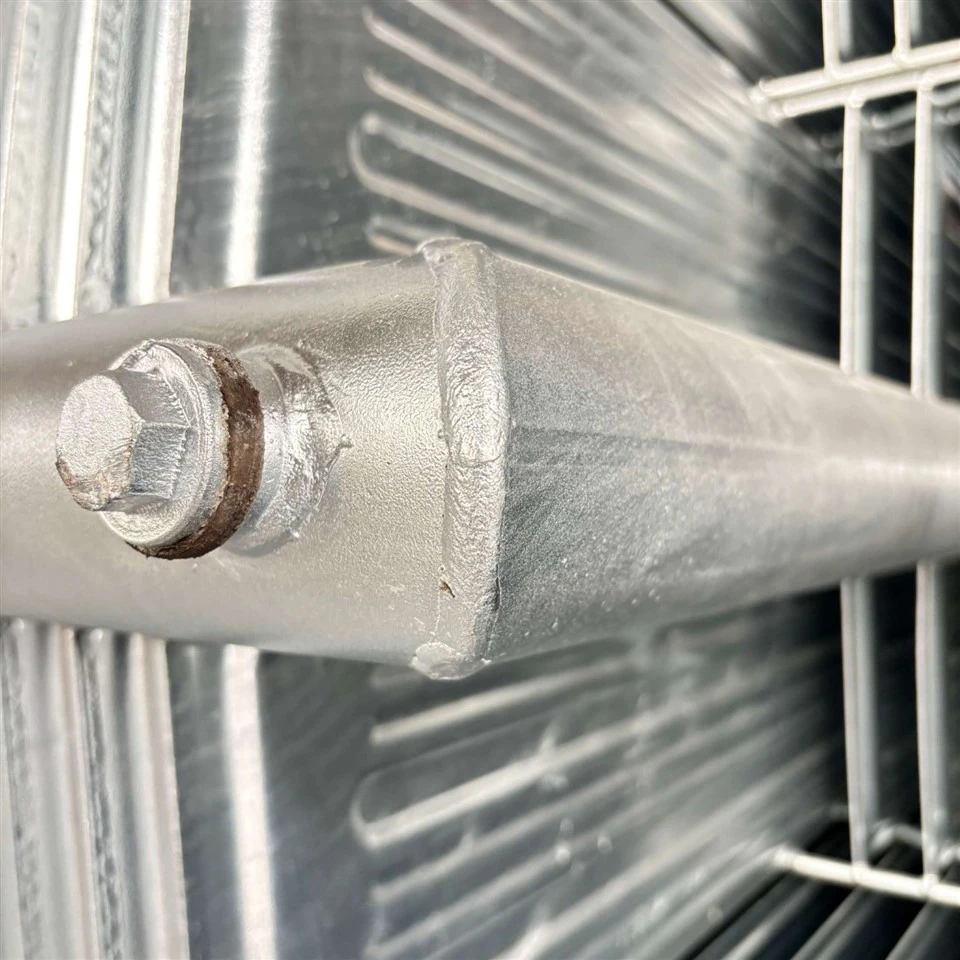
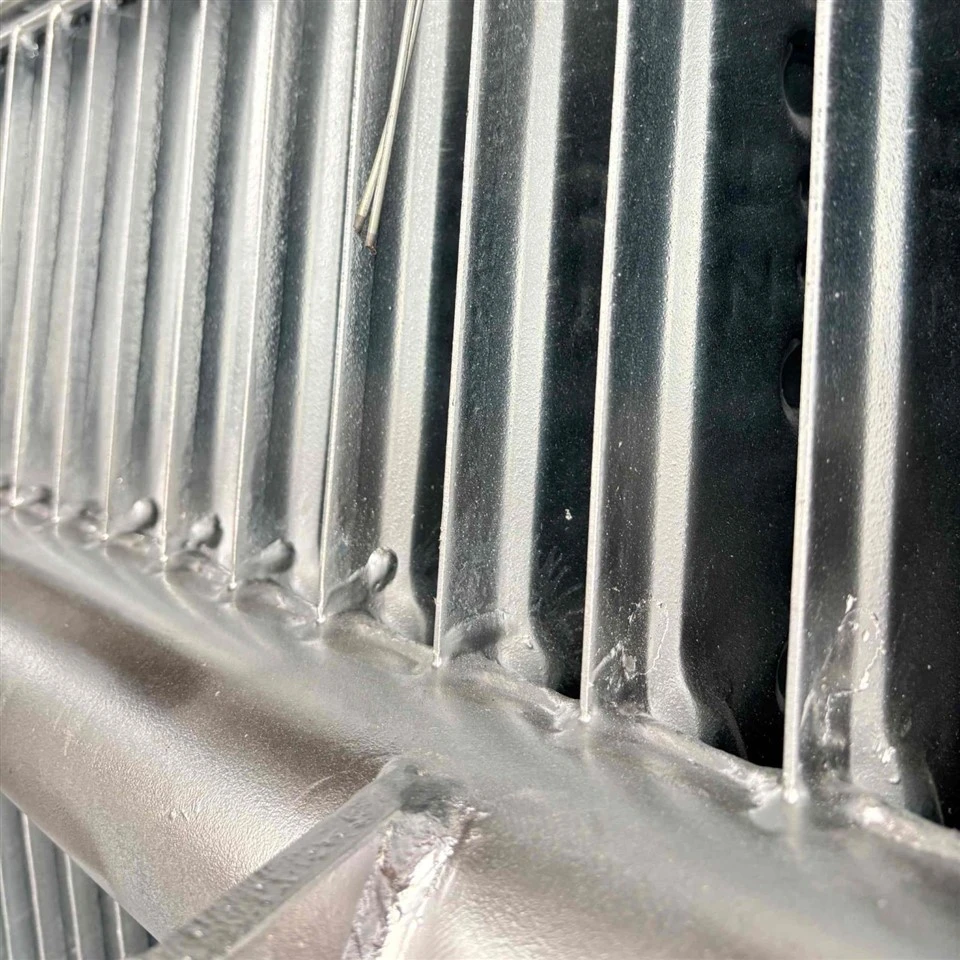
As a transformer radiator supplier, we take humidity into account during the design phase. For example, we use Hot - Dip Galvanized Transformer Radiator in areas with high humidity. The hot - dip galvanizing process coats the metal surfaces of the radiator with a layer of zinc, which acts as a sacrificial anode. This zinc layer corrodes preferentially to the underlying metal, providing long - term protection against rust and corrosion.
We also incorporate features such as proper drainage systems in the radiator design. These drainage systems are designed to quickly remove any condensate that forms on the radiator surface, reducing the amount of time the metal is exposed to water and minimizing the risk of corrosion.
Monitoring and Maintenance
Regular monitoring of the humidity levels around the transformer radiator is essential. This can be done using humidity sensors, which can provide real - time data on the environmental conditions. Based on this data, appropriate actions can be taken, such as adjusting the ventilation system to maintain a lower humidity level or increasing the cooling capacity if the radiator's efficiency is affected.
In addition to monitoring, routine maintenance is crucial to ensure the long - term performance of the radiator. This includes cleaning the radiator fins to remove any dirt, debris, or corrosion products that may have accumulated. We also conduct periodic inspections of the insulation materials to check for signs of deterioration and replace them if necessary.
4. Conclusion and Call to Action
In conclusion, humidity has a wide range of impacts on transformer radiators, from reducing cooling efficiency in the short - term to causing corrosion and insulation deterioration in the long - term. These impacts can have serious consequences for the performance and reliability of the transformer, as well as for the safety of the entire electrical system.
As a professional transformer radiator supplier, we are committed to providing high - quality products and solutions that can withstand the challenges posed by humidity. Our innovative designs, such as the Conventional Transformer Radiator, Gooseneck Transformer Radiator, and Hot - Dip Galvanized Transformer Radiator, are engineered to minimize the negative effects of humidity and ensure optimal performance in various environmental conditions.
If you are in the market for transformer radiators or need advice on how to protect your existing radiators from the impacts of humidity, we invite you to contact us for purchasing discussions. Our experienced team will be happy to assist you in finding the most suitable solutions for your specific needs.
References
- Bush, G. W., & James, H. R. (2004). Transformer Engineering: Design, Technology, and Diagnostics. CRC Press.
- Emsley, A. M., & Gartshore, I. S. (2002). "The significance of water in power transformer insulation systems," IEE Proceedings - Science, Measurement and Technology, 149(3), 129 - 137.
- International Electrotechnical Commission. (2016). IEC 60076 - 2: Power transformers - Part 2: Temperature rise. Geneva: IEC.