As a supplier of transformer oil tanks, I've seen firsthand how these crucial components age over time. Understanding the aging characteristics of a transformer oil tank is essential for ensuring its long - term performance and safety. In this blog, I'll share what I've learned about the signs of aging in transformer oil tanks and how you can address them.
Physical Changes
One of the most obvious aging characteristics of a transformer oil tank is physical deterioration. Over time, the tank's exterior can show signs of wear and tear. Rust is a common issue, especially in areas with high humidity or where the tank is exposed to corrosive substances. Rust not only affects the tank's appearance but can also compromise its structural integrity. If left untreated, rust can eat through the metal, leading to leaks and potential safety hazards.
Another physical change is dents and scratches. These can occur during transportation, installation, or due to external impacts. While small dents and scratches may seem minor, they can create stress points in the tank's structure. Over time, these stress points can lead to cracks, which can allow oil to leak out.


The paint on the tank can also fade and peel as it ages. A well - painted tank provides an extra layer of protection against corrosion. When the paint starts to peel, the metal underneath is exposed to the elements, increasing the risk of rust and other forms of damage.
Chemical Changes in the Oil
The oil inside the transformer oil tank also undergoes chemical changes as it ages. Oxidation is a major concern. When the oil is exposed to oxygen, it can form oxidation products such as sludge and acids. Sludge can accumulate at the bottom of the tank and in other parts of the transformer, blocking oil flow and reducing the efficiency of the cooling system.
Acids can corrode the internal components of the transformer, including the tank itself. They can also break down the insulation materials, increasing the risk of electrical failures. The formation of these oxidation products is accelerated by high temperatures, so transformers operating in hot environments are more prone to this type of aging.
Another chemical change is the degradation of additives in the oil. Transformer oil often contains additives to improve its performance, such as anti - oxidation agents and anti - foaming agents. Over time, these additives can break down, reducing their effectiveness and leaving the oil more vulnerable to oxidation and other issues.
Electrical Performance Degradation
Aging can also affect the electrical performance of the transformer oil tank. As the oil degrades, its dielectric strength decreases. The dielectric strength is a measure of the oil's ability to withstand electrical stress without breaking down. A lower dielectric strength means that the oil is more likely to conduct electricity, which can lead to electrical arcing and short circuits.
The insulation resistance of the transformer also changes with age. Insulation resistance is a measure of how well the insulation materials in the transformer prevent the flow of electric current. As the insulation materials degrade due to chemical and physical changes, the insulation resistance decreases, increasing the risk of electrical leakage.
Impact on Transformer Efficiency
The aging characteristics of a transformer oil tank can have a significant impact on the overall efficiency of the transformer. Physical damage such as dents and rust can disrupt the oil flow, reducing the cooling efficiency of the transformer. When the transformer can't cool effectively, it has to work harder to maintain its performance, which consumes more energy.
Chemical changes in the oil, such as the formation of sludge and acids, can also reduce the efficiency of the transformer. Sludge can block the oil passages, preventing the oil from reaching all parts of the transformer. This can lead to hot spots in the transformer, which can damage the internal components and reduce the overall lifespan of the transformer.
Addressing Aging Issues
To address the aging issues of a transformer oil tank, regular maintenance is crucial. Visual inspections should be carried out to check for physical damage such as rust, dents, and paint peeling. Any signs of damage should be repaired promptly. For example, rust can be removed and the affected area can be repainted to prevent further corrosion.
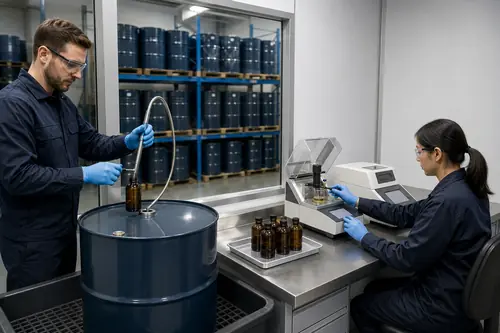
Oil analysis is also an important part of maintenance. By analyzing the chemical properties of the oil, such as its oxidation level, acidity, and dielectric strength, you can determine the condition of the oil and take appropriate action. If the oil is severely degraded, it may need to be replaced.
In addition, upgrading the transformer oil tank can be a good solution in some cases. We offer a variety of high - quality transformer oil tanks, such as the 330KV Power Transformer Oil Tank, Single Phase Pad Mounted Transformer Oil Tank, Three Phase Pad Mounted Transformer Oil Tank, Single Phase Pole Mounted Transformer Oil Tank, and 35 - 69KV Power Transformer Oil Tank. These tanks are designed to be more durable and resistant to aging, which can help extend the lifespan of your transformer.
Conclusion
In conclusion, understanding the aging characteristics of a transformer oil tank is vital for ensuring the reliable operation of your transformer. Physical changes, chemical changes in the oil, and electrical performance degradation are all common signs of aging. By performing regular maintenance, conducting oil analysis, and considering tank upgrades, you can address these issues and keep your transformer running efficiently.
If you're interested in purchasing high - quality transformer oil tanks or need more information about our products, feel free to reach out. We're here to help you find the best solutions for your transformer needs.
References
- Electrical Power Transformer Engineering, by J. Lewis Blackburn
- Transformer Maintenance and Diagnostics, by George E. Shank