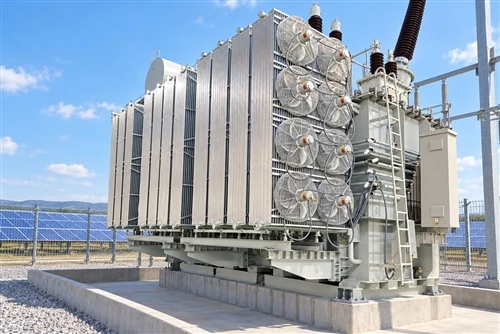
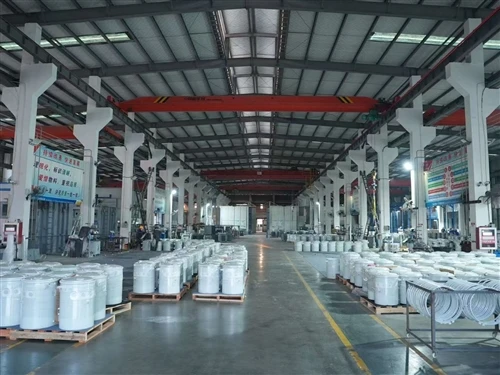
Hey there! As a supplier of Standard Corrugated Tanks, I often get asked about the seismic requirements for these tanks. In this blog, I'll break down what those requirements are, why they're important, and how we ensure our tanks meet them.


Why Seismic Requirements Matter
Seismic activity can pose a significant threat to infrastructure, including Standard Corrugated Tanks. These tanks are commonly used in various industries. During an earthquake, the ground shakes, and this movement can cause stress on the tank structure. If the tank isn't designed to withstand these forces, it can lead to leaks, structural damage, or even complete failure. This not only results in costly repairs but can also have serious environmental and safety implications.
Key Seismic Requirements for Standard Corrugated Tanks
Structural Integrity
One of the primary seismic requirements is ensuring the structural integrity of the tank. The tank must be able to resist the lateral and vertical forces generated during an earthquake. This means the materials used in the tank construction need to be strong and have good ductility. For example, high - strength steel is often used as it can absorb energy without breaking easily.
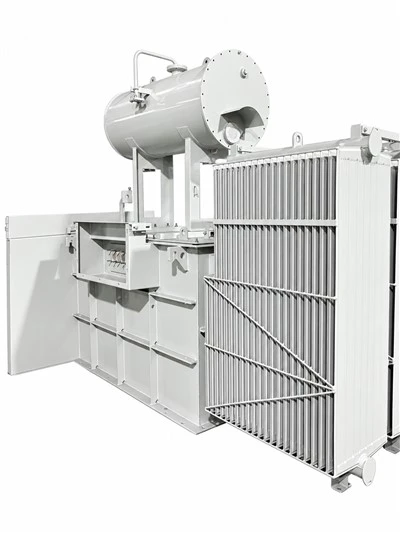
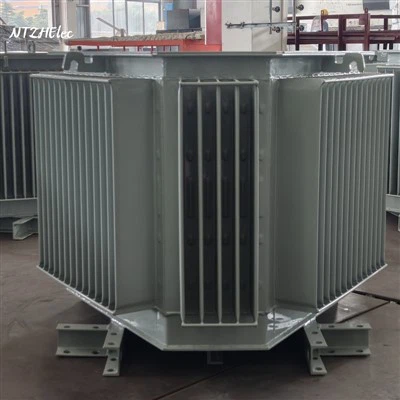
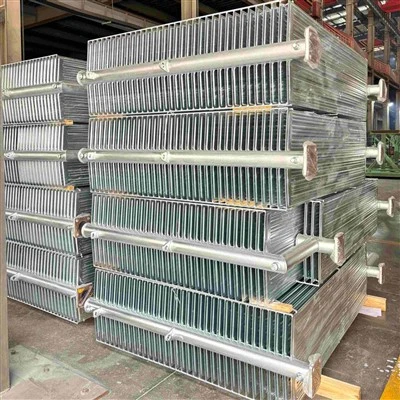
The corrugated design of the tank plays a crucial role here. The corrugations act as stiffeners, increasing the tank's resistance to deformation. They help distribute the seismic forces evenly across the tank surface, reducing the risk of localized stress concentrations.
Anchoring
Proper anchoring is essential for Standard Corrugated Tanks in seismic zones. The tank needs to be firmly attached to the foundation to prevent it from sliding or tipping over during an earthquake. Anchors should be designed to withstand the maximum expected seismic forces. The type of anchor used depends on the soil conditions and the size of the tank. For instance, in soft soil, deep - foundation anchors may be required to provide sufficient stability.
Seismic Bracing
Seismic bracing can be used to further enhance the tank's stability. Bracing systems are designed to resist the lateral forces and prevent excessive movement. They can be installed both internally and externally. Internal bracing can help maintain the shape of the tank and prevent the collapse of internal components, while external bracing provides additional support to the tank structure.
Fluid Dynamics
The fluid inside the tank also needs to be considered during seismic events. The sloshing of the fluid can create additional forces on the tank walls. To mitigate this, anti - slosh baffles can be installed inside the tank. These baffles reduce the amplitude of the fluid sloshing and help distribute the forces more evenly.
How Our Standard Corrugated Tanks Meet Seismic Requirements
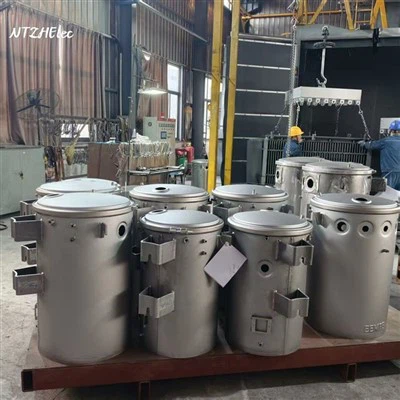
As a supplier, we take seismic requirements very seriously. Our design team uses the latest engineering software to simulate seismic events and analyze the performance of our tanks. We start by selecting high - quality materials that meet the necessary strength and ductility requirements.
When it comes to anchoring, we work closely with geotechnical engineers to determine the best anchoring system for each project. We ensure that the anchors are properly installed and tested to guarantee their effectiveness.
Our tanks are also equipped with seismic bracing systems as needed. We customize the bracing based on the specific seismic zone and the size of the tank. And to address fluid dynamics, we install anti - slosh baffles that are designed to minimize the impact of fluid sloshing.
Different Types of Corrugated Tanks and Seismic Considerations
We also offer Corrugated Tank for 3D Wound Core Transformer. These tanks have unique design features due to the nature of the 3D wound core transformers they house. The seismic requirements for these tanks are similar to those of standard corrugated tanks, but there are some additional considerations.
The internal components of the 3D wound core transformer need to be protected during an earthquake. We design the tank to provide a stable environment for these components. The corrugated structure helps in absorbing the seismic energy and protecting the transformer from damage.
Conclusion
Understanding the seismic requirements for Standard Corrugated Tanks is crucial for ensuring the safety and reliability of these tanks. At our company, we're committed to meeting and exceeding these requirements. Our Standard Corrugated Tank is designed with the latest technology and engineering principles to withstand seismic events.
If you're in the market for a Standard Corrugated Tank or a Corrugated Tank for 3D Wound Core Transformer, and you want a tank that meets the highest seismic standards, we'd love to talk to you. Feel free to reach out to us for more information and to discuss your specific needs. We're here to help you find the perfect tank solution for your project.
References
- Building Seismic Safety Council. "NEHRP Recommended Provisions for Seismic Regulations for New Buildings and Other Structures."
- American Petroleum Institute. "API Standard 650, Welded Steel Tanks for Oil Storage."