Hey there! As a supplier of transformer radiators, I often get asked about the regulations and standards for these crucial components. In this blog, I'll break down what you need to know about the rules and benchmarks that govern transformer radiators.


First off, let's talk about why regulations and standards matter. Transformer radiators play a vital role in keeping transformers cool. If they don't work properly, it can lead to overheating, which not only shortens the lifespan of the transformer but can also cause system failures and even pose safety risks. That's why there are strict rules in place to make sure these radiators are up to snuff.
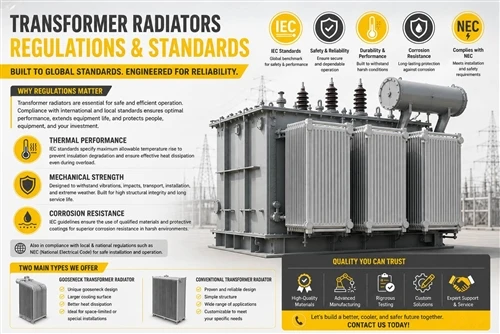
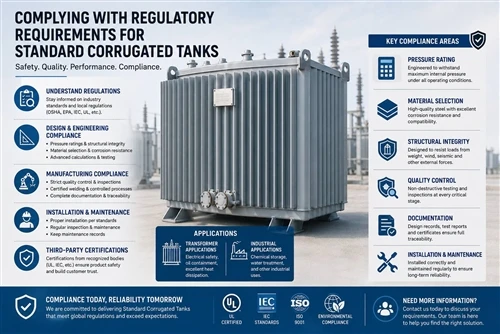
One of the main regulatory bodies when it comes to electrical equipment, including transformer radiators, is the International Electrotechnical Commission (IEC). The IEC sets global standards that ensure the safety, reliability, and performance of electrical products. Their standards cover various aspects of transformer radiators, such as thermal performance, mechanical strength, and corrosion resistance.
For thermal performance, IEC standards specify the maximum allowable temperature rise in the transformer and the radiator. This is crucial because excessive heat can degrade the insulation materials in the transformer, leading to electrical breakdowns. Radiators need to be designed and built in a way that they can effectively dissipate the heat generated by the transformer under normal operating conditions and even during overloads.
Mechanical strength is another important factor. Transformer radiators are often installed in harsh environments and may be subject to vibrations, impacts, and extreme weather conditions. IEC standards define the minimum requirements for the structural integrity of radiators. They ensure that radiators can withstand the mechanical stresses they'll encounter during transportation, installation, and operation without getting damaged.
Corrosion resistance is also a big deal. Since radiators are usually made of metal, they're prone to rust and corrosion, especially if they're exposed to moisture or corrosive substances. IEC standards offer guidelines on the materials and coatings that should be used to protect the radiator from corrosion. This helps to extend the lifespan of the radiator and maintain its performance over time.
In addition to international standards like those from the IEC, there are also local and national regulations that may apply. For example, in the United States, the National Electrical Code (NEC) has provisions regarding the installation and safety of electrical equipment, including transformer radiators. These regulations are designed to protect people and property from electrical hazards.
Now, let me tell you a bit about the types of transformer radiators we offer. We have two main types: the Gooseneck Transformer Radiator and the Conventional Transformer Radiator.
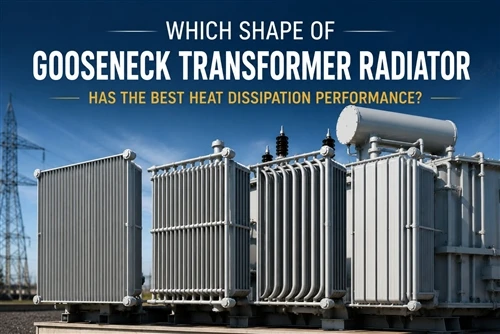
The gooseneck transformer radiator has a unique design that allows for better heat dissipation in certain applications. Its shape is optimized to increase the surface area exposed to the air, which helps to transfer heat more efficiently. This type of radiator is often used in situations where space is limited or where there are specific installation requirements.
On the other hand, the conventional transformer radiator is a tried-and-true design that has been used for many years. It's known for its reliability and simplicity. It's suitable for a wide range of transformer applications and can be customized to meet the specific needs of our customers.
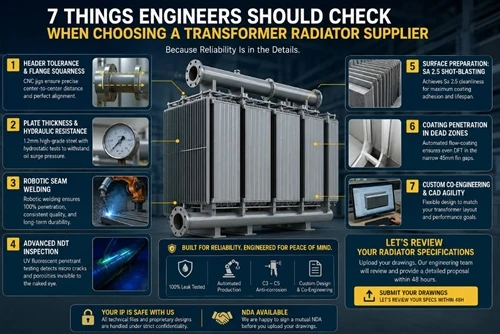
When it comes to manufacturing our transformer radiators, we follow all the relevant regulations and standards. We use high-quality materials and state-of-the-art manufacturing processes to ensure that our radiators meet or exceed the requirements. Our quality control team conducts rigorous tests at every stage of production to make sure that each radiator is safe, reliable, and performs as expected.
We also offer customization services. We understand that different customers have different needs, so we can work with you to design and build a transformer radiator that's tailored to your specific requirements. Whether you need a radiator with a specific size, shape, or heat dissipation capacity, we've got you covered.
If you're in the market for a transformer radiator, I encourage you to reach out to us. We have a team of experts who can answer all your questions and help you choose the right radiator for your application. We're committed to providing our customers with the best products and services at competitive prices. So, don't hesitate to contact us for a quote or to discuss your project in more detail.
In conclusion, regulations and standards are essential for ensuring the quality and safety of transformer radiators. By following these rules, we can provide our customers with reliable and high-performing products. Whether you need a gooseneck transformer radiator or a conventional one, we have the expertise and resources to meet your needs. So, get in touch with us today and let's start working together!
References:
- International Electrotechnical Commission (IEC) standards
- National Electrical Code (NEC)