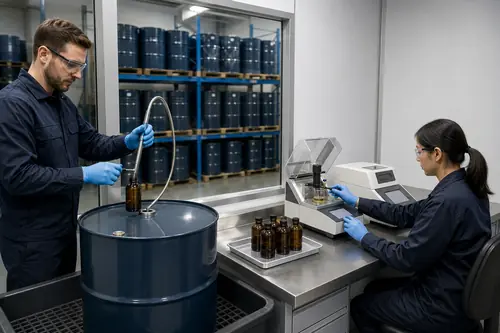
As an oil tank transformer supplier, one question I often get asked is about the materials used for the core of an oil tank transformer. It's a crucial part of the transformer, so let's dig into the details.
Why the Core Matters
First off, the core of an oil tank transformer plays a super important role. It provides a path for the magnetic field that's essential for the transformer to work. It helps transfer electrical energy from one circuit to another through electromagnetic induction. Without a proper core, the transformer just wouldn't function efficiently.
Common Materials for the Core
Silicon Steel
Silicon steel is hands - down the most widely used material for transformer cores. It's got some great properties. One of the main advantages is its low core loss. Core loss is basically the energy that gets wasted in the form of heat when the magnetic field changes. With silicon steel, this loss is significantly reduced, which means the transformer runs more efficiently.
Another cool thing about silicon steel is its high magnetic permeability. This means it can easily conduct the magnetic field, allowing the transformer to transfer energy more effectively. It's usually made into thin sheets, and these sheets are stacked together. The reason for using thin sheets is to reduce eddy current losses. Eddy currents are like little circular currents that can form in the core, and they cause more heat and energy loss. By using thin sheets, we can cut down on these eddy currents.
Amorphous Metals
Amorphous metals are also making their way into the world of transformer cores. These metals have a unique atomic structure that's disordered, unlike the regular crystalline structure of silicon steel. This disordered structure gives amorphous metals extremely low core losses. They can reduce core losses by up to 70% compared to traditional silicon steel cores.
However, they do have some drawbacks. Amorphous metals are a bit more brittle than silicon steel, which makes them a bit trickier to work with during manufacturing. They also tend to be more expensive. But if you're looking for a transformer with super - high efficiency and don't mind the higher cost, amorphous metal cores are a great option.
Nanocrystalline Alloys
Nanocrystalline alloys are a relatively new player in this game. They combine the best of both worlds in some ways. They have very high magnetic permeability, similar to silicon steel, but also extremely low core losses, like amorphous metals.
These alloys are made up of tiny nanocrystals, which gives them their unique properties. They are more expensive than silicon steel but not as costly as amorphous metals. They are becoming more popular in applications where high efficiency and compact size are important, like in some industrial and commercial transformers.
How the Core Material Affects the Oil Tank Transformer
The choice of core material can have a big impact on the performance and cost of an oil tank transformer. If you use silicon steel, which is cost - effective and widely available, you can build a reliable transformer for general applications. It's great for things like power distribution in residential areas or small commercial buildings.
On the other hand, if you opt for amorphous metals or nanocrystalline alloys, you're looking at a transformer with much higher efficiency. This can lead to significant energy savings over the long run. But you'll have to pay more upfront. So it really depends on the specific needs of the customer.
Our Offerings
At our company, we offer a wide range of oil tank transformers with different core materials to suit various requirements. Whether you need a Three Phase Pad Mounted Transformer Oil Tank for a large industrial project or a Single Phase Pad Mounted Transformer Oil Tank for a small business, we've got you covered.
We understand that every project is unique, so we work closely with our customers to figure out the best core material and transformer design for their needs. Our team of experts can help you understand the pros and cons of each material and how they fit into your budget and performance requirements.
Why Choose Us
One of the reasons to choose us as your oil tank transformer supplier is our commitment to quality. We use only the best materials in our transformers, and we have strict quality control measures in place. We test each transformer thoroughly before it leaves our factory to make sure it meets the highest standards.
We also offer excellent customer service. Our sales team is always ready to answer your questions and provide you with detailed information. And if you have any issues after purchasing our transformers, our after - sales support team will be there to help you out.
Let's Connect
If you're in the market for an oil tank transformer, I encourage you to reach out to us. Whether you have a specific project in mind or just want to learn more about our products, we're here to help. We can provide you with a free quote and discuss your options in detail.
Don't hesitate to contact us if you have any questions about the core materials or any other aspect of our oil tank transformers. We're looking forward to working with you and helping you find the perfect transformer for your needs.
References
- Grover, F. W. (1946). Inductance Calculations: Working Formulas and Tables. Dover Publications.
- Sarma, M. S. (2008). Electric Machines: Steady State, Transients, and Design with MATLAB. Jones & Bartlett Learning.