As a supplier of oil tanks in transformers, I've seen firsthand how crucial the insulation performance of the oil in these tanks is. It's not just about keeping the transformer running; it's about ensuring the safety and efficiency of the entire electrical system. So, what are the factors that can affect this insulation performance? Let's dive in.
1. Contamination
One of the most common factors that can mess with the insulation performance of transformer oil is contamination. There are different types of contaminants that can find their way into the oil.
Moisture
Moisture is a big no - no. Even a small amount of water in the oil can significantly reduce its dielectric strength. Water molecules can break down under the influence of an electric field, leading to partial discharges and ultimately, a decrease in insulation performance. This can happen due to improper sealing of the oil tank, or even from condensation in humid environments.
Particulate Matter
Dirt, dust, and other solid particles can also contaminate the oil. These particles can act as conductive paths, allowing electricity to flow where it shouldn't. Over time, this can cause arcing and damage to the insulation. Particulate matter can enter the oil during the manufacturing process, or from the environment if the tank isn't properly sealed.
Oxidation Products
As the oil ages, it can oxidize. Oxidation products such as acids and sludge can form in the oil. These substances can corrode the insulation materials and reduce the oil's ability to insulate. Oxidation is often accelerated by high temperatures and exposure to oxygen.
2. Temperature
Temperature plays a huge role in the insulation performance of transformer oil.
High Temperatures
When the temperature of the oil gets too high, the oil's viscosity decreases. This can lead to increased movement of the oil molecules, which in turn can cause more electrical conductivity. High temperatures also speed up the oxidation process, leading to the formation of more oxidation products. In addition, high temperatures can cause thermal expansion of the oil, which can put stress on the insulation materials.
Low Temperatures
On the other hand, low temperatures can make the oil more viscous. This can reduce the oil's ability to flow and dissipate heat. If the temperature drops too low, the oil may even solidify, which can completely disrupt the insulation and the operation of the transformer.
3. Electrical Stress
The electrical stress on the transformer oil can also have a significant impact on its insulation performance.
High Voltage
When the transformer is operating at high voltage, the electric field in the oil can be very strong. This can cause the oil molecules to break down, leading to partial discharges. These partial discharges can damage the insulation and reduce its effectiveness over time.
Voltage Surges
Voltage surges, such as those caused by lightning strikes or switching operations, can also put a lot of stress on the oil. These sudden increases in voltage can cause rapid breakdown of the oil's insulation, leading to potential failures.


4. Age of the Oil
As the oil in the transformer tank gets older, its insulation performance tends to decline.
Chemical Changes
Over time, the chemical composition of the oil changes. Oxidation, hydrolysis, and other chemical reactions can occur, leading to the formation of degradation products. These products can reduce the oil's dielectric strength and its ability to insulate.
Wear and Tear
The oil is constantly exposed to electrical and thermal stress during normal operation. This can cause wear and tear on the oil molecules, making them less effective at insulating.
5. Type of Oil
The type of oil used in the transformer tank can also affect its insulation performance.
Mineral Oil
Mineral oil is one of the most commonly used oils in transformers. It has good insulation properties and is relatively inexpensive. However, it can be prone to oxidation and has a limited temperature range.
Synthetic Oil
Synthetic oils, on the other hand, offer better oxidation resistance and a wider temperature range. They are often used in high - performance transformers where reliability is crucial.
Our Products and Solutions
At our company, we understand the importance of these factors and how they can impact the insulation performance of the oil in transformer tanks. That's why we offer high - quality oil tanks designed to minimize these issues.
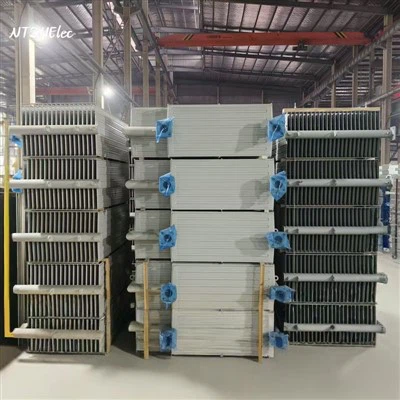
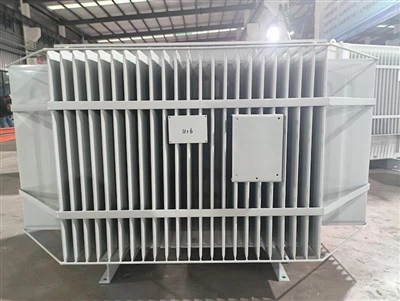
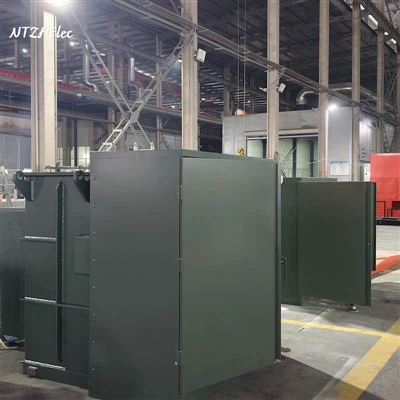
We have a range of products, including Single Phase Pad Mounted Transformer Oil Tank and Three Phase Pad Mounted Transformer Oil Tank. Our oil tanks are made with high - quality materials and are designed to provide excellent protection against contamination, temperature variations, and electrical stress.
If you're in the market for a reliable oil tank for your transformer, we'd love to have a chat. We can provide you with more information about our products and how they can meet your specific needs. Contact us to start the procurement process and let's work together to ensure the optimal performance of your transformer.
References
- Electrical Insulation Handbook, IEEE Press
- Transformer Engineering: Design, Technology, and Diagnostics, Springer