As a reliable supplier of power transformer oil tanks, I've witnessed firsthand the crucial role that oil level indicators play in ensuring the smooth and safe operation of power transformers. In this blog, I'll delve into the functions of the oil level indicator in a power transformer oil tank, shedding light on its significance and how it contributes to the overall performance of the transformer.
1. Monitoring Oil Quantity
The primary function of the oil level indicator is to monitor the quantity of oil in the power transformer oil tank. Transformer oil serves multiple purposes, including insulation, cooling, and arc quenching. Maintaining the appropriate oil level is essential for the proper functioning of the transformer. If the oil level is too low, it can lead to inadequate insulation and cooling, which may cause overheating and potentially damage the transformer. On the other hand, an excessive oil level can result in oil leakage, which is not only a waste of resources but also poses a safety hazard.


The oil level indicator provides a visual or electronic indication of the oil level in the tank. In traditional mechanical indicators, a float is connected to a pointer that moves along a scale, showing the oil level. Modern electronic indicators use sensors to measure the oil level and display the information on a digital screen. This real - time monitoring allows operators to keep track of the oil quantity and take appropriate action if the level deviates from the normal range.
2. Early Detection of Leaks
One of the critical functions of the oil level indicator is to detect oil leaks early. A sudden drop in the oil level can be a sign of a leak in the transformer oil tank. Leaks can occur due to various reasons, such as corrosion, mechanical damage, or faulty seals. If left undetected, oil leaks can lead to a significant loss of oil, which can compromise the performance and safety of the transformer.
By regularly monitoring the oil level, operators can identify any abnormal changes that may indicate a leak. Once a leak is detected, prompt action can be taken to repair the source of the leak and prevent further oil loss. This early detection can save time, money, and prevent potential damage to the transformer and its surrounding environment.
3. Preventing Over - filling
Over - filling the power transformer oil tank can be as problematic as having a low oil level. When the tank is over - filled, the oil may expand due to temperature changes, causing excessive pressure inside the tank. This can lead to oil leakage, damage to the tank, and even pose a risk of explosion in extreme cases.
The oil level indicator helps prevent over - filling by providing a clear indication of the maximum oil level. Operators can use this information to ensure that the oil is filled to the appropriate level during maintenance or refilling operations. This helps maintain the integrity of the transformer oil tank and ensures its safe operation.
4. Assessing Transformer Health
The oil level in a power transformer can also provide valuable insights into the overall health of the transformer. A consistent and stable oil level is generally a sign of a well - functioning transformer. However, if the oil level fluctuates significantly or shows a continuous downward trend, it may indicate underlying problems such as internal faults, excessive oil consumption, or a malfunctioning cooling system.
By analyzing the oil level data over time, operators can identify potential issues early and take preventive measures. For example, if the oil level is dropping steadily, it may be necessary to conduct a more detailed inspection of the transformer to determine the cause of the oil loss. This proactive approach to maintenance can help extend the lifespan of the transformer and reduce the risk of unexpected failures.
5. Compliance with Safety Standards
Power transformers are subject to various safety standards and regulations. Maintaining the proper oil level is an important part of ensuring compliance with these standards. The oil level indicator provides a reliable means of verifying that the oil level in the transformer oil tank meets the required specifications.
Regulatory bodies often require regular inspections and maintenance of power transformers, including checking the oil level. By using an accurate and reliable oil level indicator, power transformer operators can demonstrate compliance with safety standards and avoid potential fines or penalties.
Our Power Transformer Oil Tanks
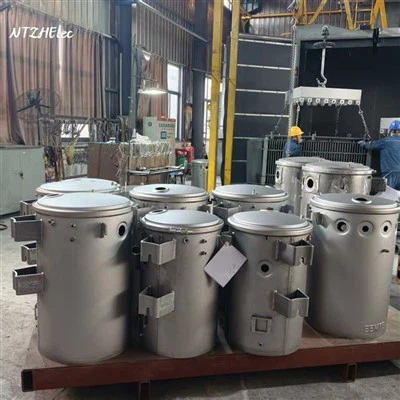
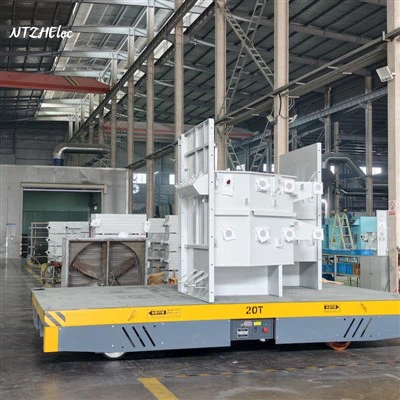
At our company, we offer a wide range of high - quality power transformer oil tanks, including 35 - 69KV Power Transformer Oil Tank, 330KV Power Transformer Oil Tank, and 110 - 220KV Power Transformer Oil Tank. Our oil tanks are designed with advanced oil level indicators to ensure accurate monitoring and reliable performance.
If you are in the market for a power transformer oil tank, we invite you to contact us for a detailed discussion. Our team of experts can provide you with the information you need to make an informed decision and help you select the right oil tank for your specific requirements. Whether you are a utility company, an industrial facility, or an electrical contractor, we are committed to providing you with the best products and services.
References
- "Power Transformer Engineering: Design and Practice" by James H. Harlow
- "Transformer Maintenance and Monitoring" by EPRI (Electric Power Research Institute)
- Industry standards and guidelines related to power transformers and oil tank safety.