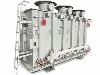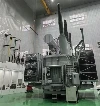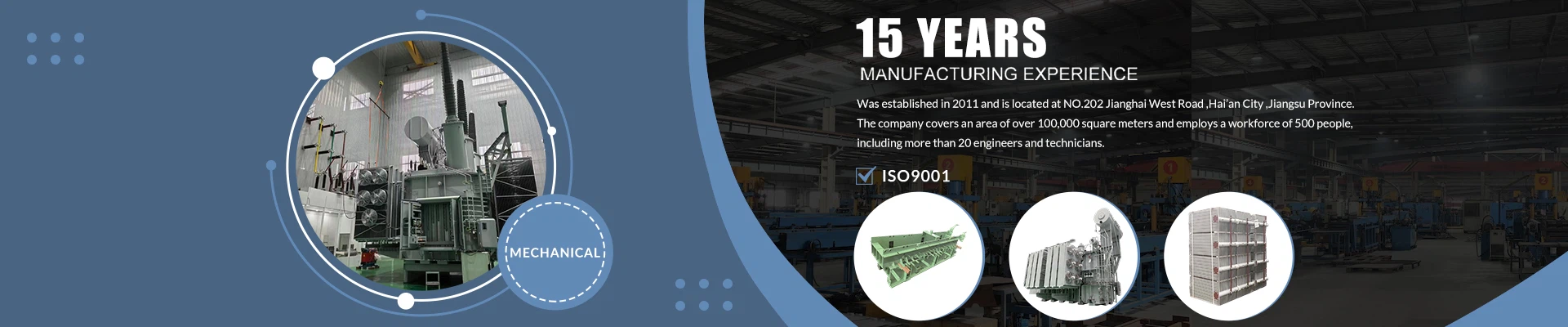
Transformer heatsinks are widely used in various transformer equipment in power systems, playing a crucial role, especially in high-voltage, high-capacity, and intelligent scenarios. Their main function is to effectively dissipate the heat generated by the transformer during operation into the air by increasing the heat dissipation area, ensuring stable operation of the equipment within a safe temperature range and preventing insulation aging and failures due to overheating.
Main application scenarios are as follows:
Dedicated Transformers for AI Computing Centers: AI computing centers can have single-rack power ranging from tens to hundreds of kilowatts, with GPUs and other chips consuming significantly more power, resulting in extremely high heat loads on transformers. These scenarios often employ dedicated high-voltage, energy-saving transformers, equipped with highly efficient thermally conductive materials (such as thermally conductive gel and high thermal conductivity pads) and forced air cooling or liquid cooling systems to ensure stable heat dissipation under 24-hour high-load operation.
Ultra-High Voltage and High-Voltage Transmission Projects: In 110kV and above high-voltage transmission systems, transformers undertake high-power energy conversion tasks, generating enormous amounts of heat. To meet the reliability and efficiency requirements of ultra-high voltage (UHV) projects, finned or circular-wing radiators are commonly used in conjunction with forced air cooling systems to improve heat dissipation efficiency. With the national promotion of inter-regional power transmission and clean energy grid integration, the demand for these radiators continues to grow.
Smart Grids and Urban Substations: Smart transformers require integrated monitoring modules and operate in complex environments for extended periods. Their radiators not only need high-efficiency heat conduction but also weather resistance, low noise, and corrosion resistance. Environmentally friendly, lightweight finned radiators have become a key development direction for urban substation construction.
Large Transformers in Industrial Sector: In heavy industries such as metallurgy, chemicals, and energy, transformers are commonly used to drive large motors and control systems. These devices operate in harsh environments with high temperatures and humidity, requiring stainless steel or steel-aluminum composite finned radiators to enhance corrosion resistance and heat dissipation efficiency, ensuring continuous production safety.
New Energy Supporting Systems: Grid-connected transformers in wind and solar power plants, as well as step-up transformers in energy storage systems, are prone to thermal shock due to intermittent loads, requiring cooling systems with rapid response capabilities. Commonly used methods include forced air cooling or forced water cooling, combined with high-efficiency radiator designs to improve system adaptability.