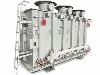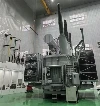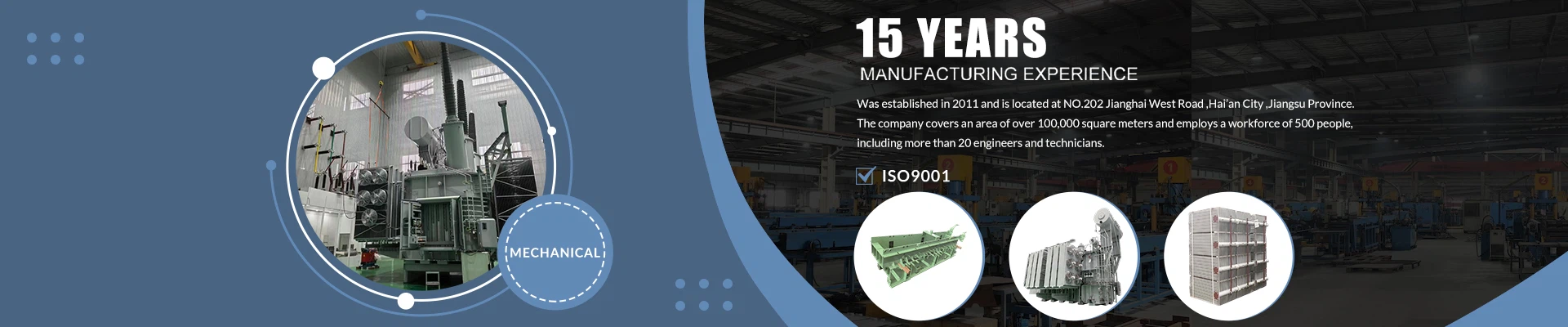
The core advantage of transformer radiators lies in their ability to effectively control transformer operating temperature, preventing insulation material aging and equipment failure caused by overheating, thereby ensuring the stable operation of the power system. They increase the heat dissipation area and utilize natural convection of oil or air to dissipate heat, making them a key component for the safe and long-term operation of transformers.
Specifically, modern transformer radiators possess the following outstanding advantages:
High-efficiency heat dissipation, extending equipment lifespan: Through optimized structural design (such as the oil channel layout and surface indentation angle of plate radiators), heat dissipation efficiency is significantly improved, reducing the internal temperature rise of the transformer, slowing down the aging rate of insulation materials, and extending the overall service life.
High adaptability, supporting customized needs: Radiators support multiple heat dissipation methods (air cooling, liquid cooling, heat pipe conduction, etc.) and can be customized according to different environmental conditions (such as humidity 5%~95%RH, seismic resistance level 8), suitable for complex industrial operating conditions.
The trends of environmental protection and lightweighting align. The industry is moving towards energy conservation, low noise, and recyclability. Environmentally friendly and lightweight radiators are becoming a key focus in urban substation construction, helping to reduce energy consumption and environmental impact.
Intelligent monitoring capabilities are integrated. Some high-end radiators are equipped with intelligent interfaces (such as RS485/Modbus/4G) to support remote monitoring of operating status and achieve digital management of operation and maintenance.