Currently, electricity demand is surging, and transformers, as core equipment in the power grid system, are facing a supply shortage. A surge in orders over a short period has put immense pressure on manufacturers, leading to transformer shortages, delivery delays, and rising end-user prices.
The shortage problem is real and increasingly severe.
Let's look at the numbers:
Power Transformers: Up to 30% power supply gap
Distribution Transformers: Approximately 10% gap
These gaps indicate a huge demand for transformers.
What is causing the shortage? It is clearly due to explosive growth in the following areas:
1. Renewable energy projects (solar, wind, etc.)
2. Grid upgrades (replacing aging infrastructure)
3. Data centers (the development of artificial intelligence)
4. Electrification (electric vehicles, industrial systems, all-electric transportation)
Transformers have quietly become a bottleneck for the development of many industries. Without transformers, projects cannot proceed.
Current delivery cycles are extremely long.
Due to the huge demand gap, even if transformer manufacturers increase production capacity, they cannot guarantee delivery times.
In the United States, procuring a large power transformer now takes approximately 128 weeks. That's about two and a half years-longer than some entire projects used to take.
Why the delays?
It's not a single problem, but a complex interplay of several factors:
First, there are few factories capable of producing large transformers.
Raw materials such as copper and electrical steel remain scarce.
Skilled production workers require time to train.
Power transformers are large and difficult to transport.
Selling prices have risen sharply.
When supply decreases and demand surges, prices inevitably rise. This is the current reality.

As the chart shows, transformer prices are currently 60% to 80% higher than in 2020.
The reasons for this include:
1.Higher prices for raw materials (especially copper and silicon steel).
2.A rise in energy and production costs.
3.Still-high logistics costs.
4.Furthermore, the supply shortage gives sellers greater pricing power.
This is bad news for buyers, as project progress is significantly delayed, not due to funding issues, but because the transformer equipment simply cannot arrive on time.
China's Transformer Market Gains Huge Attention
In the global power equipment market, China has become a key player thanks to its complete supply chain:
* It boasts approximately 60% of global transformer production capacity
* Its supply chain is highly integrated (raw materials → components → assembly)
* It has a well-developed export logistics system
* Its delivery cycle is relatively short: typically 10-12 months
In contrast, other locations require more than two years, making its appeal obvious.
The Role of Nantong Zhihe Electric
|
|
|


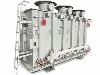
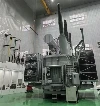
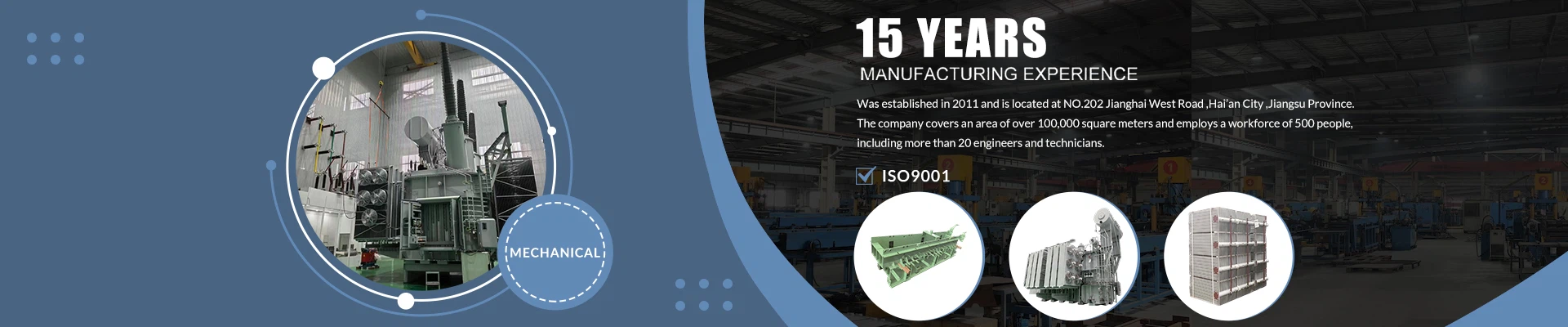
Faced with surging orders, transformer manufacturers wanting to increase production capacity can only do so through building new production lines or sourcing transformer sheet metal parts externally. The former requires huge capital investment, and skilled workers are hard to find. Blindly building new production lines could lead to a broken cash flow and company difficulties. In contrast, ordering transformer tanks and radiators from Zhihe can expedite delivery and reduce operational risks.
Driven by factors such as renewable energy, AI-driven electricity demand, and global electrification, transformers have moved from the background to the forefront-and currently, the number of transformers is far from sufficient.
Transformer manufacturers are encouraged to consider Nantong Zhihe Electric Co., Ltd. If you have any need for purchasing transformer tanks and radiators, please feel free to contact us!