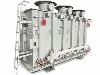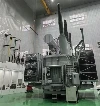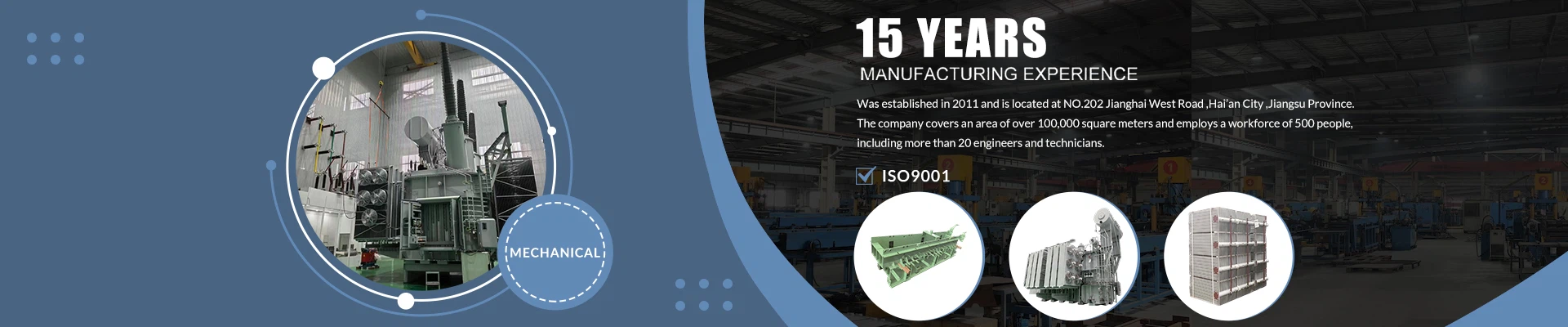
In the manufacturing process of transformer tanks, ensuring sealing performance hinges on optimizing structural design, improving welding quality, selecting high-performance sealing materials, and verifying the sealing effect through rigorous testing methods.
1. Leakage Prevention through Structural Design
Use corrugated tanks or folded plate structures: Corrugated tanks utilize elastic corrugated sheets to compensate for the thermal expansion and contraction of the oil, reducing sealing failure caused by pressure changes; folded plate (corrugated) tanks are formed by integral bending, reducing the number of welds and lowering the risk of leakage.
Reasonable Sealing Structure Design:
Rectangular Groove Sealing Structure (Recommended): A groove is set between the tank cover and the tank body, combined with a sealing strip, resulting in a large contact area, uniform stress, and good sealing effect.
Control the compression of the sealing strip to 25%–30% to avoid excessive compression leading to aging.
Avoid "+" joint welds: Reduce stress concentration and prevent weld cracking.
2. High-Quality Welding Process
Gas-Shielded Welding: Utilizing gas-shielded welding, such as CO₂ or MIG welding, effectively prevents oxidation in the weld area, improves weld density, and is widely used in corrugated tank manufacturing.
Controlling Welding Parameters: Reasonably adjusting current, voltage, and welding speed; preheating and post-heat treatment when necessary to reduce residual stress and deformation.
Optimizing Weld Layout: Minimizing the total weld length and ensuring welds are far from high-stress areas.
3. Sealing Material and Process Guarantee
Using Oil-Resistant and Aging-Resistant Seals: Using high-performance materials such as nitrile rubber and fluororubber to ensure no failure during long-term operation.
Vacuum Oil Injection and Sealing:Vacuum oil injection is used after assembly to remove internal air and prevent residual air bubbles from affecting sealing performance.
Tannel Cover and Tank Edge Welded Sealing: Fully sealed transformers often have the tank cover and tank edge directly welded together, completely eliminating the risk of leakage at bolted connections.